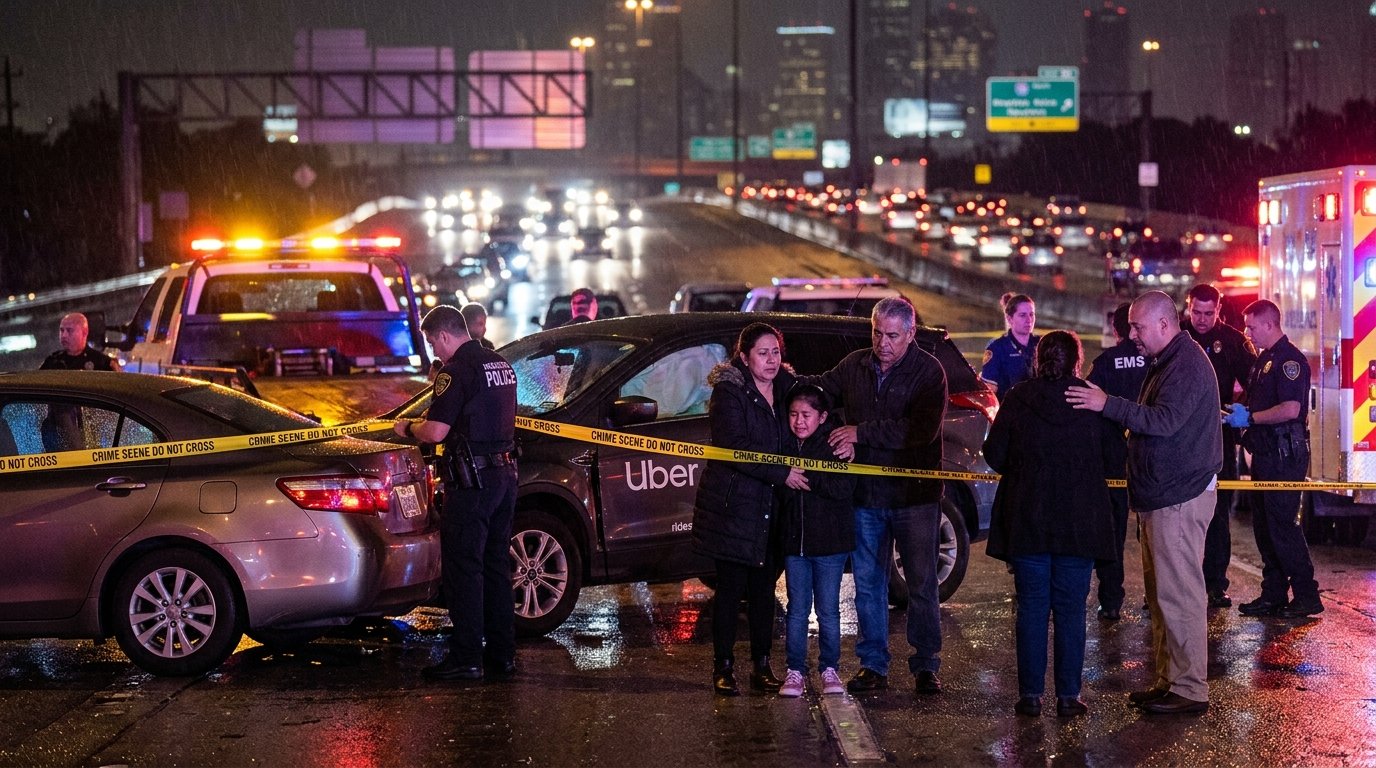

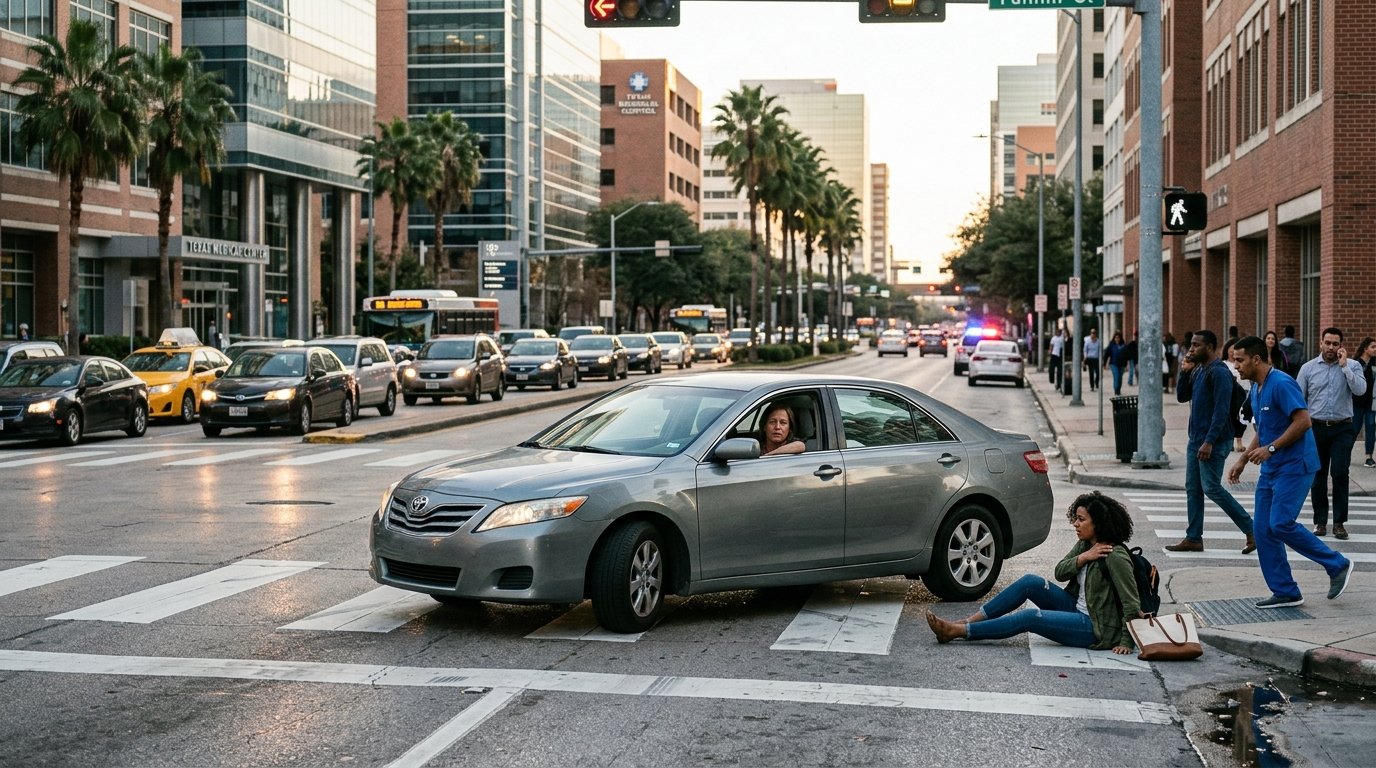

A pedestrian crossing at a Houston intersection often has the signal, the crosswalk, and the right to be there. What the pedestrian cannot control is a driver who turns without looking. Crashes in which a turning vehicle strikes a person on foot are their own category of pedestrian accident. The question in these cases is often not whether the driver saw a red light or a stop sign. It is whether the driver looked for people in the crosswalk before and while completing the turn.
Before I became an attorney, I spent over a decade as an insurance adjuster handling high-exposure casualty claims. Later, I defended insureds at Rymer, Echols, and Nelson-Archer. In both roles, I saw how carriers evaluate a pedestrian crash. The first questions are usually about where the pedestrian was, what the signal showed, and what the driver says they were looking at. This article explains how those questions can shape a turning-vehicle case in Texas.
This article is general educational information. It is not legal advice, and it does not create an attorney-client relationship. Every case depends on its own facts.
The Driver’s Duty to Watch for Pedestrians While Completing a Turn
A turn is not finished when the front of the car enters the intersection. It is finished when the vehicle has cleared the crosswalk and the driver has straightened out. During that whole movement, the driver has to watch for traffic, signals, and people on foot. A pedestrian in a crosswalk is exposed to the turning vehicle for the entire turn.
The Texas Transportation Code addresses turning movements at intersections in Section 545.101. It sets out how drivers must approach and complete right and left turns. Beyond that statute, Texas law generally requires drivers to use reasonable care, and what is reasonable depends on the circumstances. In a turning-vehicle case, that often comes down to a few practical questions:
- Did the driver look in the direction the pedestrian was coming from?
- Was the pedestrian visible, and for how long before the turn?
- Was the driver watching the crosswalk, or watching something else, such as oncoming traffic or a gap in cross traffic?
- How fast was the vehicle moving as it entered the turn?
- Did the driver stop or slow down when a pedestrian became visible?
Turns require a driver to split attention between several things at once. That is exactly why a pedestrian can be easy to miss, and why the question of what the driver was looking at matters so much. A driver who was focused entirely on traffic may have failed to scan the crosswalk. Whether that failure amounts to negligence depends on the facts of the specific crash.
Pedestrians are also physically vulnerable. A vehicle moving at turning speed may seem slow compared with highway driving, but it can still cause serious injuries. Fractures, head and brain injuries, spinal injuries, and crush injuries can result from being struck, knocked down, or run over during a turn. These are often the kind of life-changing injuries my practice focuses on.
For readers who want to understand how Texas treats pedestrians who are struck in marked crossings more broadly, we have written about failure to yield to a pedestrian in a Texas crosswalk and about what can happen when someone is hit by a car in a Houston crosswalk. A turning-vehicle crash overlaps with those topics, but the facts and the fault analysis are often different.
Right-Turn-on-Red Crashes and Why They Are So Common
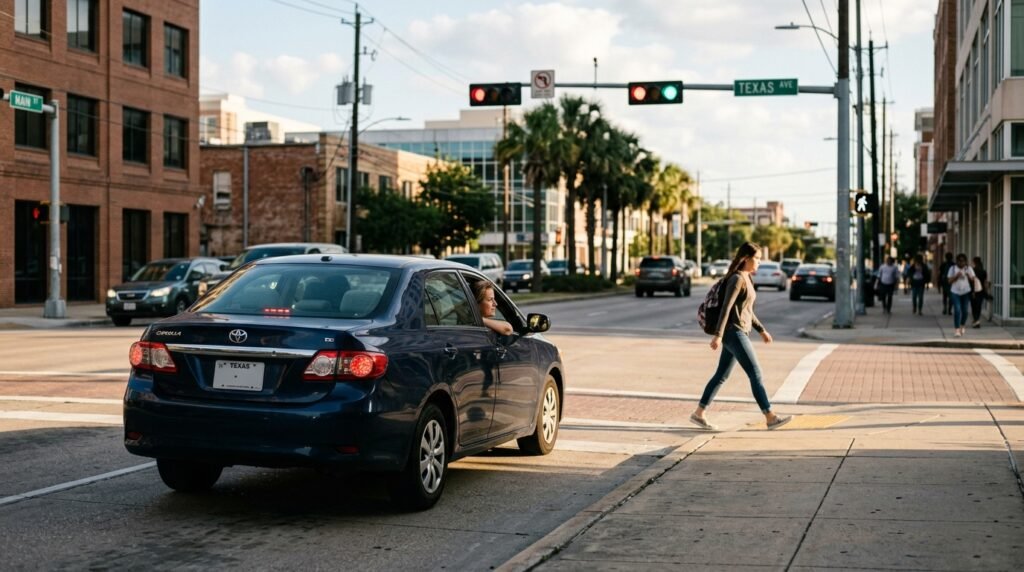
A right turn on red may be one of the most common ways a pedestrian ends up in a collision with a turning vehicle. The setup is familiar to anyone who has driven in Houston. A driver stops at a red light, wants to turn right, and looks to the left for a gap in oncoming cross traffic. While the driver is looking left, a pedestrian steps off the curb to the right and begins to cross.
Under Texas law, a driver facing a steady red signal may generally turn right after stopping, unless a sign prohibits the turn, but must yield the right of way to pedestrians and other traffic lawfully in the intersection. That rule appears in Section 545.153 of the Texas Transportation Code.
Several factors can combine in a crash like this:
- The driver’s attention is pointed the wrong way. A driver waiting to turn right on red is typically watching for approaching cars, which come from the left. The crosswalk the driver is about to cross is in front of and to the right of the vehicle. When the gap opens, the driver may accelerate into the turn while still looking left.
- Drivers may be in a hurry. A driver who has waited through a long red light may feel pressure to take the first opening. A rushed turn leaves less time to scan for people on foot.
- Pedestrians may be harder to see. Vehicle pillars, other cars, signs, utility poles, and glare can partly block a driver’s view of the crosswalk. Pedestrians who are small, walking with a stroller, using a wheelchair, or crossing at dusk or at night can be even harder to see.
- The pedestrian may have the signal. A walk signal for the pedestrian and a red light for the driver can be on at the same time. That is why a pedestrian can be crossing lawfully while a driver is legally waiting to turn.
Busy, pedestrian-heavy parts of Houston, including EaDo, Montrose, Greater Heights, and the area around the Texas Medical Center, have plenty of intersections where these situations can arise. The details of the intersection, including its layout, sight lines, and signal phasing, may all matter when fault is evaluated.
Whether a particular right-turn-on-red crash involved negligence depends on the evidence. The same insurer that takes a close look at a pedestrian’s conduct will also look at what the driver says they saw.
Left-Turn Crashes Where the Pedestrian Had the Signal
Left-turn crashes follow a different pattern. A driver turning left must typically cross oncoming lanes and often must find a gap in traffic before completing the turn. This is a demanding maneuver, and it is a common point at which a pedestrian can be overlooked.
Consider a pedestrian who has a walk signal and begins crossing the street that a driver is turning onto. The driver may be focused on oncoming traffic, trying to judge whether there is room to go. When the gap appears, the driver accelerates through the turn, sometimes at a speed that leaves little time to react to someone in the crosswalk. The pedestrian, who had the signal and was walking in the crosswalk, is struck.
Several features can make left-turn pedestrian cases distinctive:
- The driver’s attention is directed at oncoming vehicles: The driver may be watching for cars rather than checking the crosswalk they are about to enter.
- Turns can be completed quickly: A driver who sees an opening may accelerate through the turn, shortening the time available to notice and respond to a pedestrian.
- Visibility can be limited: Oncoming vehicles, medians, and the driver’s own vehicle structure can block a view of the crosswalk.
- The pedestrian is often in the crosswalk lawfully: When a pedestrian has a walk signal and is within the crosswalk, that fact can be significant in evaluating fault.
Texas law also addresses when drivers must yield to pedestrians. Under Section 552.003 of the Texas Transportation Code, a driver approaching an intersection with a traffic-control signal must generally stop if necessary to allow a pedestrian to cross the roadway safely when the pedestrian is in a crosswalk and the signal permits crossing.
The fact that a pedestrian had the signal does not automatically decide a case, and it does not remove every dispute. Drivers and insurers may still contest where the pedestrian was, when the signal changed, how fast the pedestrian was moving, and what the driver could see. Those are questions of evidence.
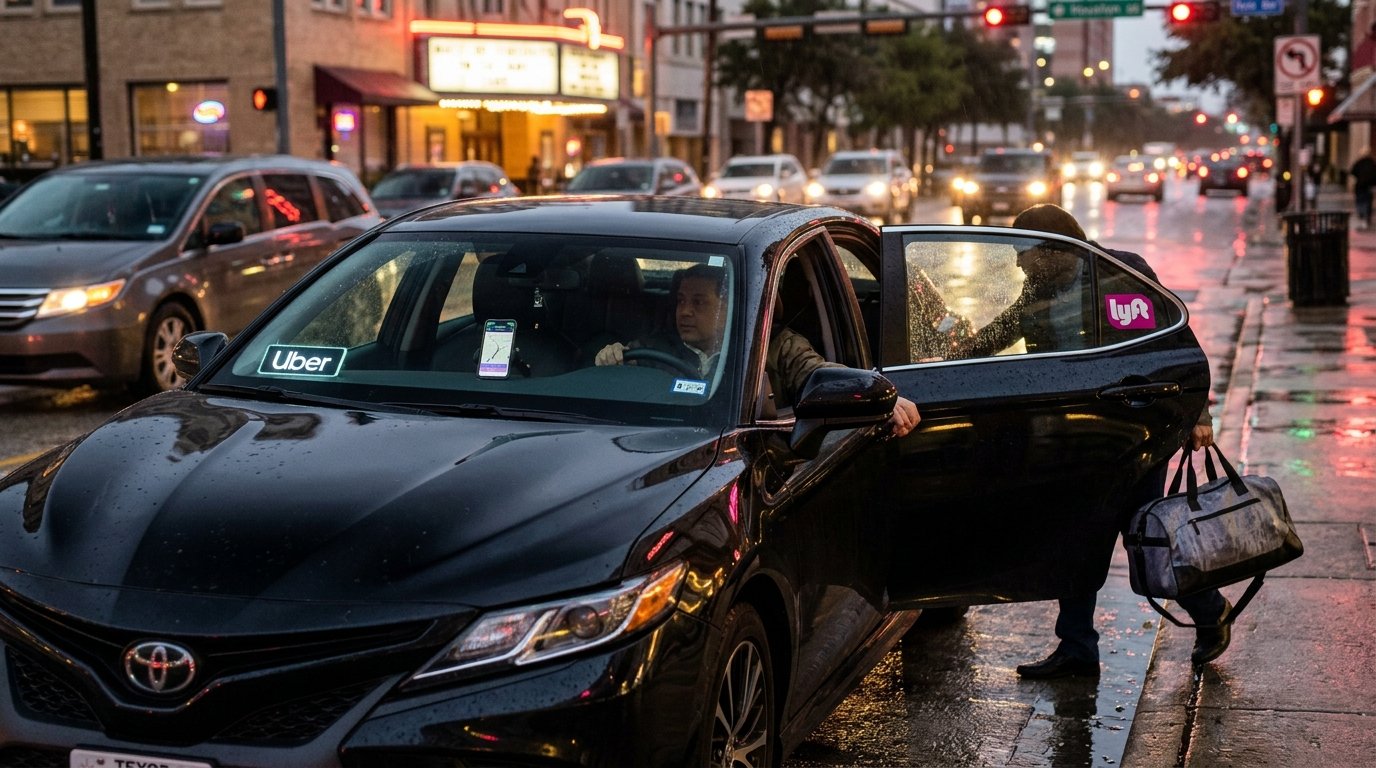
If another vehicle was involved in the turning movement, such as a rideshare driver completing a turn with a passenger on board, additional coverage and liability questions may arise. Our article on third-party claims when hit by a rideshare driver in Texas explains how those questions can add complexity to a pedestrian claim.
Distracted and Rushed Turns as Evidence of Negligence
When a driver turns into a pedestrian, one of the first questions is why the driver did not see the person. Distraction and haste are two of the most common answers, and either may be relevant evidence on the question of whether the driver acted with reasonable care.
Distraction can take many forms. A driver may be looking at a phone, adjusting a navigation screen, talking to a passenger, or simply scanning for a gap in traffic and neglecting the crosswalk. A rushed turn can involve the same pattern. The driver is trying to beat a light, avoid a wait, or make a turn before oncoming vehicles arrive, and the pedestrian gets less attention than they should.
The kinds of evidence that may help show distraction or haste include:
- Surveillance and traffic camera footage from nearby businesses or intersections
- Dashcam video from the turning vehicle or other vehicles
- Witness statements from people who saw the crash
- Police crash reports and any driver statements recorded in them
- Phone records, where they are obtainable in the course of a case
- Vehicle data, which may show speed and braking before impact
- The physical evidence at the scene, including the point of impact
This is where my background tends to be most relevant. As an adjuster, I saw how carriers handle claims in which the driver says “I never saw them.” That statement is not a defense in itself, but it can invite the question of whether the driver was looking. Evidence like video and vehicle data can disappear or be overwritten, and it often becomes harder to obtain as time passes. That is one reason the early stage of a pedestrian case can matter so much.
No attorney can predict how a case will turn out, and a driver’s distraction is never assumed. But for families and injured people trying to understand how fault might be proven, it helps to know that the driver’s state of mind is often shown through ordinary evidence like this.
Comparative Fault When a Pedestrian Crossed Against the Signal
Not every pedestrian crash involves a person who was crossing with the signal. Sometimes the pedestrian started to cross after the signal changed, stepped into the road outside a crosswalk, or crossed against a don’t-walk indication. Insurers pay close attention to these facts, and they often raise them.
Texas follows a modified comparative negligence rule. Under that rule, an injured person can recover damages even if they share some of the fault for the accident, as long as they are not more than 50 percent responsible. Compensation is reduced by the percentage of fault assigned to the injured person. A person who is found 51 percent or more at fault cannot recover.
For a pedestrian who was struck by a turning vehicle, that rule can matter in several ways:
- It gives insurers a reason to shift blame: An insurer may argue that the pedestrian was not paying attention, started crossing late, or crossed at an unmarked location. Even a small percentage of fault can reduce a claim, and a larger percentage can end it.
- It does not make the driver blameless: Even if a pedestrian made a mistake, the driver’s conduct still matters. A driver who is making a turn is still expected to act with reasonable care. How the fault is divided depends on what each person did and what the evidence shows.
- The signal evidence can be decisive: Whether the pedestrian had a walk signal, a flashing don’t-walk, or a steady don’t-walk may carry significant weight in the allocation of fault. That is why signal records and video can be so important, as discussed in the next section.
As a former adjuster, I know how carriers use comparative fault. It is often one of the first tools they reach for when a pedestrian’s conduct can be questioned. Understanding that dynamic is part of understanding how a pedestrian claim may be evaluated.
Traffic Signal Timing Data as Evidence in a Turning-Vehicle Case
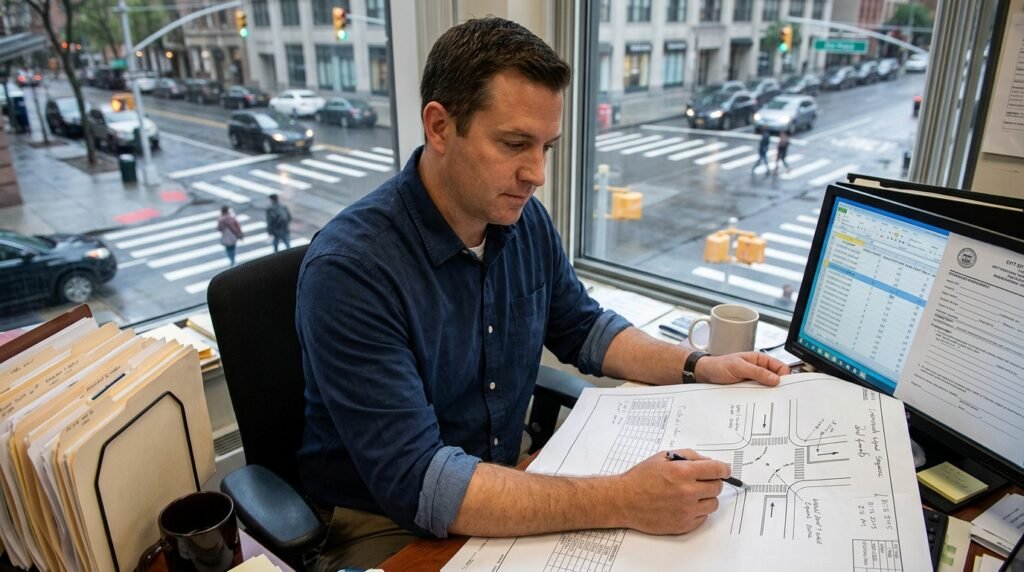
Signals can answer questions that witnesses often cannot. In a turning-vehicle pedestrian case, signal timing data can help show what the signal was displaying for the driver and for the pedestrian at the moment of the crash. That information can help clarify whether a pedestrian had a walk signal, how long the signal had been in that phase, and how the signals were sequenced.
The kinds of questions that signal information may help answer include:
- Was the pedestrian signal showing walk, flashing don’t walk, or don’t walk at the time of the crash?
- How long had the signal been in its current phase?
- Did the driver’s turning movement run at the same time as the pedestrian’s crossing phase?
- Did the intersection have any signal malfunctions or timing problems?
Depending on the intersection, the signal equipment may be operated by a city or a state agency, which can affect how records are requested. When a governmental entity is involved in a claim itself, Texas generally requires written notice within six months, which is much shorter than the two-year statute of limitations that applies to most personal injury cases. That does not mean every pedestrian case involves a government claim. In most turning-vehicle cases, the claim is against the driver and the driver’s insurer. But when signals, road design, or intersection conditions are part of the picture, timing matters.
Signal data usually works alongside other evidence, such as video, witness accounts, and physical evidence from the scene. Together they can help build a more complete picture of what happened. Under Texas law, the general two-year statute of limitations for most personal injury claims runs from the date of injury, and for wrongful death claims it generally runs from the date of death. For families who have lost a loved one in a pedestrian crash, our article on the Texas UIM wrongful death claim explains how underinsured-motorist coverage can come into play when the at-fault driver’s coverage is limited.
Frequently Asked Questions
What duty do drivers have toward pedestrians while turning?
Drivers are generally expected to use reasonable care, and that includes watching for pedestrians throughout a turn, not only at the start. The Texas Transportation Code addresses turning movements in Section 545.101. Whether a particular driver met the expected standard depends on the facts, including visibility, speed, what the driver was looking at, and what the pedestrian was doing.
Why are right-turn-on-red crashes so common?
A driver waiting to turn right on red is often looking left for a gap in cross traffic. A pedestrian may step into the crosswalk from the right at that moment. If the driver accelerates into the turn while still looking left, the pedestrian may not be noticed in time. Texas law requires a driver making a right turn on red to yield to pedestrians lawfully in the intersection. Blocked sight lines, rushed turns, and low light can add to the risk.
What if the pedestrian had the signal?
A pedestrian who was crossing lawfully with a walk signal may be in a strong position on the question of fault, but the facts still matter. Drivers and insurers may dispute where the pedestrian was, when the signal changed, and what the driver could see. Signal timing data, video, and witness accounts may help clarify those points. An attorney can evaluate how the evidence applies in a particular case.
Can a distracted turn be used as evidence?
It may be. Distraction or haste can be relevant to whether a driver acted with reasonable care. Evidence such as camera footage, witness statements, crash reports, and vehicle data may help show what the driver was doing before the turn. Whether the evidence is available and what it shows depends on the facts of the case.
What if the pedestrian crossed against the signal?
It does not necessarily end the claim, but it may affect it. Texas follows a modified comparative negligence rule. An injured person can recover as long as they are not more than 50 percent responsible, and any recovery is reduced by their percentage of fault. A person found 51 percent or more at fault cannot recover. How fault is divided depends on the evidence, including the actions of both the pedestrian and the driver.
This article is for general educational purposes and is not legal advice, and reading it does not create an attorney-client relationship. Every pedestrian accident involving a turning vehicle depends on its specific facts, and outcomes cannot be guaranteed. Anyone injured after being struck by a turning vehicle can learn more on our Pedestrian Accidents page or reach Herrera PLLC through the contact page or by calling 832-891-3210 to schedule a free, confidential consultation and discuss the available options.
Jonathan Herrera, J.D.
Jonathan Herrera is the founder of Herrera PLLC in Houston, Texas. He holds a J.D. from South Texas College of Law Houston and has over a decade of experience as an insurance adjuster. He previously practiced insurance defense at Rymer, Echols, and Nelson-Archer. He is a member of the Houston Trial Lawyers Association, the Texas Trial Lawyers Association, and the American Association for Justice.