

Get Personal Representation After an Oilfield Accident
An oilfield accident can change your life in an instant. One moment you’re working around heavy equipment, industrial machinery, high-pressure systems, or hazardous materials. The next, you’re facing serious injuries, mounting medical bills, lost income, and uncertainty about what comes next.
The oil and gas industry helps power the Texas economy, but it also creates some of the most dangerous working environments in the state. When safety procedures fail, equipment malfunctions, or companies cut corners, workers can suffer devastating injuries with long-term consequences.
At Herrera PLLC, Jonathan Herrera represents injured workers and families affected by oilfield, refinery, petrochemical, and industrial accidents throughout Houston and Texas. Before becoming an attorney, he spent more than a decade handling high-exposure insurance claims as an adjuster. He later worked as an insurance defense attorney before founding Herrera PLLC. That experience provides valuable insight into how large companies and insurers evaluate serious injury claims and defend high-value cases.
For a broader look at the serious injury cases Herrera PLLC handles, explore the firm’s Serious Injuries practice.

Why Are Oilfield Accidents So Serious in the Houston Area?
Houston sits at the centre of one of the largest energy and petrochemical regions in the world.
The Houston Ship Channel, Baytown, Pasadena, Deer Park, La Porte, Texas City, Freeport, and surrounding industrial corridors contain thousands of facilities involved in oil production, refining, petrochemical manufacturing, transportation, and storage.
Workers in these environments are routinely exposed to:
- Heavy machinery
- High-pressure systems
- Explosive materials
- Flammable chemicals
- Industrial vehicles
- Elevated work areas
- Confined spaces
- Toxic substances
When something goes wrong, the consequences can be catastrophic.
What Causes Most Oilfield and Refinery Accidents?
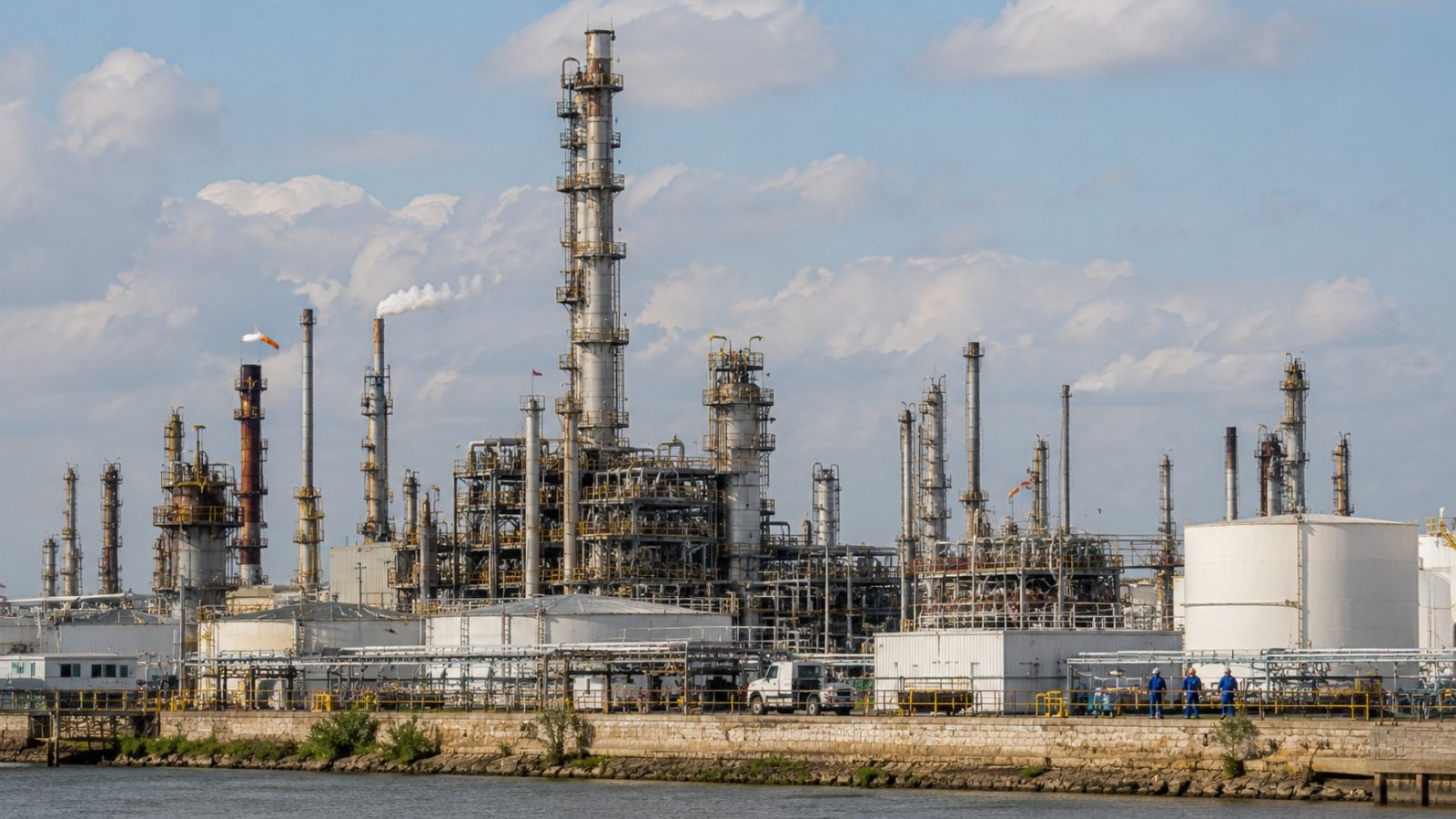
Every incident is different, but certain hazards appear repeatedly throughout the energy sector.
Common causes include:
- Equipment failures
- Explosions
- Fires
- Blowouts
- Falls from elevated platforms
- Crane accidents
- Heavy equipment incidents
- Vehicle collisions
- Transportation accidents
- Pipeline failures
- Chemical exposure
- Hydrogen sulfide (H2S) exposure
- Inadequate maintenance
- Safety violations
- Improper training
Many accidents result from multiple failures occurring at the same time, making a thorough investigation essential.
Why Are Oilfield Injury Cases Often More Complex Than Other Injury Claims?
Oilfield accidents rarely involve only one company.
A worker may be employed by one company while performing work at a facility owned by another. Contractors, subcontractors, equipment suppliers, trucking companies, and site operators may all be present at the same location.
Determining responsibility often requires analysing:
- Contractual relationships
- Safety responsibilities
- Equipment ownership
- Maintenance records
- Site control
- Regulatory compliance
- Training procedures
These cases often involve multiple insurance carriers, corporate defendants, and extensive documentation.
How Does Jonathan Herrera’s Background Help Injured Workers?
Few attorneys have experience on both sides of the insurance process.
Before representing injured individuals, Jonathan Herrera spent years evaluating complex casualty claims for insurance carriers. He later worked in insurance defense litigation, where he gained firsthand knowledge of how companies investigate accidents, assess liability, value claims, and defend lawsuits.
Today, he uses that experience to represent injured workers and their families.
Learn more about Jonathan Herrera’s background, legal experience, and insurance industry knowledge.
Who May Be Responsible for an Oilfield Accident?
Many workers assume only their employer can be responsible after an accident.
In reality, liability often extends beyond a single company.
Depending on the circumstances, potentially responsible parties may include:
- Facility owners
- Site operators
- General contractors
- Subcontractors
- Equipment manufacturers
- Maintenance companies
- Trucking companies
- Property owners
- Third-party vendors
Identifying every potentially responsible party is often critical to maximising available compensation.
What Compensation May Be Available After an Oilfield Accident?
Texas law may allow injured workers to seek compensation for losses resulting from another party’s negligence.
Depending on the circumstances, damages may include:
Economic Damages
- Medical expenses
- Future medical treatment costs
- Lost wages
- Reduced earning capacity
- Rehabilitation expenses
- Long-term care costs
Non-Economic Damages
- Pain and suffering
- Mental anguish
- Emotional distress
- Physical impairment
- Disfigurement
- Loss of enjoyment of life
Wrongful Death Damages
When an accident results in a fatality, surviving family members may be entitled to pursue damages for financial losses and other harms recognised under Texas law.
Why Early Investigation Matters After an Oilfield Accident
Important evidence can disappear quickly after a serious industrial accident.
Equipment may be repaired or replaced. Worksites can change. Witnesses move on to other projects. Maintenance records, inspection reports, and electronic data may become more difficult to obtain as time passes.
Beginning an investigation promptly helps preserve critical evidence and provides a clearer understanding of how the incident occurred.
At Herrera PLLC, every serious injury case is approached with the expectation that it may ultimately need to be presented before a jury.
When an Oilfield Accident Results in a Fatality
Sadly, some oilfield accidents result in the loss of a loved one.
Fatal explosions, transportation accidents, equipment failures, fires, and industrial incidents can leave families facing emotional and financial challenges that last for years.
In these situations, surviving family members may have the right to pursue compensation through a wrongful death claim.
Learn more about wrongful death representation for families who have lost a loved one.
Speak Directly With Jonathan Herrera About Your Oilfield Accident
If you were injured in an oilfield, refinery, petrochemical, or industrial accident in Houston or elsewhere in Texas, Herrera PLLC is available to discuss your situation.
Jonathan Herrera personally handles every matter and works directly with clients throughout the case.
Learn more about Herrera PLLC’s approach to personal representation and trial preparation.
Frequently Asked Questions
Texas imposes a two-year statute of limitations on personal injury and wrongful death claims. The deadline generally runs from the date of the injury or death. Missing it may prevent you from pursuing compensation. Speaking with an attorney as early as possible can help preserve evidence and protect your rights.
Texas follows a modified comparative fault rule. You may still be able to recover damages if you are found to be 50% or less responsible. Any recovery may be reduced by your percentage of fault. Companies and insurers often attempt to shift blame to injured workers, making a thorough investigation important.
Seek medical attention as soon as possible, even if your injuries appear minor. Report the incident to your supervisor, document the scene if it is safe to do so, and avoid providing recorded statements to insurance representatives before obtaining legal advice. Early action can help preserve critical evidence.
Yes. Facility owners and operators may owe duties to contractors working on their premises. Multi-party liability is common throughout Houston's energy and petrochemical sectors and often requires careful analysis of the relationships between all involved companies.
Depending on the circumstances, responsible parties may include employers, contractors, subcontractors, facility owners, equipment manufacturers, trucking companies, site operators, maintenance providers, and property owners. Identifying every potentially responsible party is often an important part of maximising recovery.