

Insurance Company Underpaid Your Sugar Land Roof Claim?
Many Sugar Land homes have large, steep roofs covered in laminated or impact-resistant shingles, with policy limits to match. These roofs can cost more to replace and may be harder to inspect. That’s often where underpayments start: damage missed on slopes nobody checked, or an estimate priced for materials that are not on your home.
Herrera PLLC represents Sugar Land homeowners in underpaid, delayed, and denied homeowners insurance claims. Before becoming an attorney, Jonathan Herrera spent more than a decade working in insurance claims as a licensed adjuster. He has also served as claims counsel and practiced insurance defense and coverage law. Today, he uses that experience to represent homeowners in disputes with their insurance companies.
His background gives him practical insight into how insurers inspect roofs, evaluate damage, calculate repair costs, and make coverage decisions.
Free consultation: call 832.891.3210.

Recent Storms in Sugar Land
In March 2024, warnings cited golf-ball-size hail for southern Sugar Land, and a 77 mph wind gust was measured just southwest of the city, according to NOAA-related wind reports and local hail records. Four months later, Hurricane Beryl left most Sugar Land residents without power and brought down mature trees already weakened by Winter Storm Uri and drought, Community Impact reported.
Storms like these give insurers room to question which event caused the damage. Weather data, photos, inspection reports, and repair records can help establish when damage occurred, but they need to be connected to the actual condition of your roof.
Laminated and Impact-Resistant Shingles: Tougher, Not Hail-Proof
Laminated (architectural) shingles and Class 4 impact-resistant shingles are designed to resist hail better than many conventional roofing materials. Texas insurers may offer premium discounts for qualifying roofs, as the Texas Department of Insurance explains.
However, impact resistance does not mean damage-proof. Hail can potentially crack the underlying shingle mat, loosen protective granules, or compromise roofing materials. A roof may look fine from the ground while showing damage that requires a closer inspection.
Insurers sometimes classify this damage as “cosmetic” or “not functional.” Whether that classification is supported depends on your policy language and the actual condition of the roof. Some policies covering impact-resistant roofs include cosmetic damage exclusions, so the exact wording matters.
Read more about hail damage classified as cosmetic by an insurance company.
Why Complex Roofs Need Complete Inspections
Steep, two-story roofs with multiple slopes and valleys require time and appropriate equipment to inspect properly. An inspection that covers only a few accessible areas may overlook damage elsewhere.
Some inspections rely heavily on drone photographs, examine only one slope or test area, or skip sections that are too steep to walk without proper safety equipment.
A drone can help document roof conditions, but the inspection still needs to account for the entire property. A denial based on a partial inspection may not reflect the condition of every roof slope.
When an insurer relies on an engineer or another outside expert, understanding the inspection findings and the reasoning behind them can also matter. Learn more about what homeowners should know when an insurance company sends an engineer.
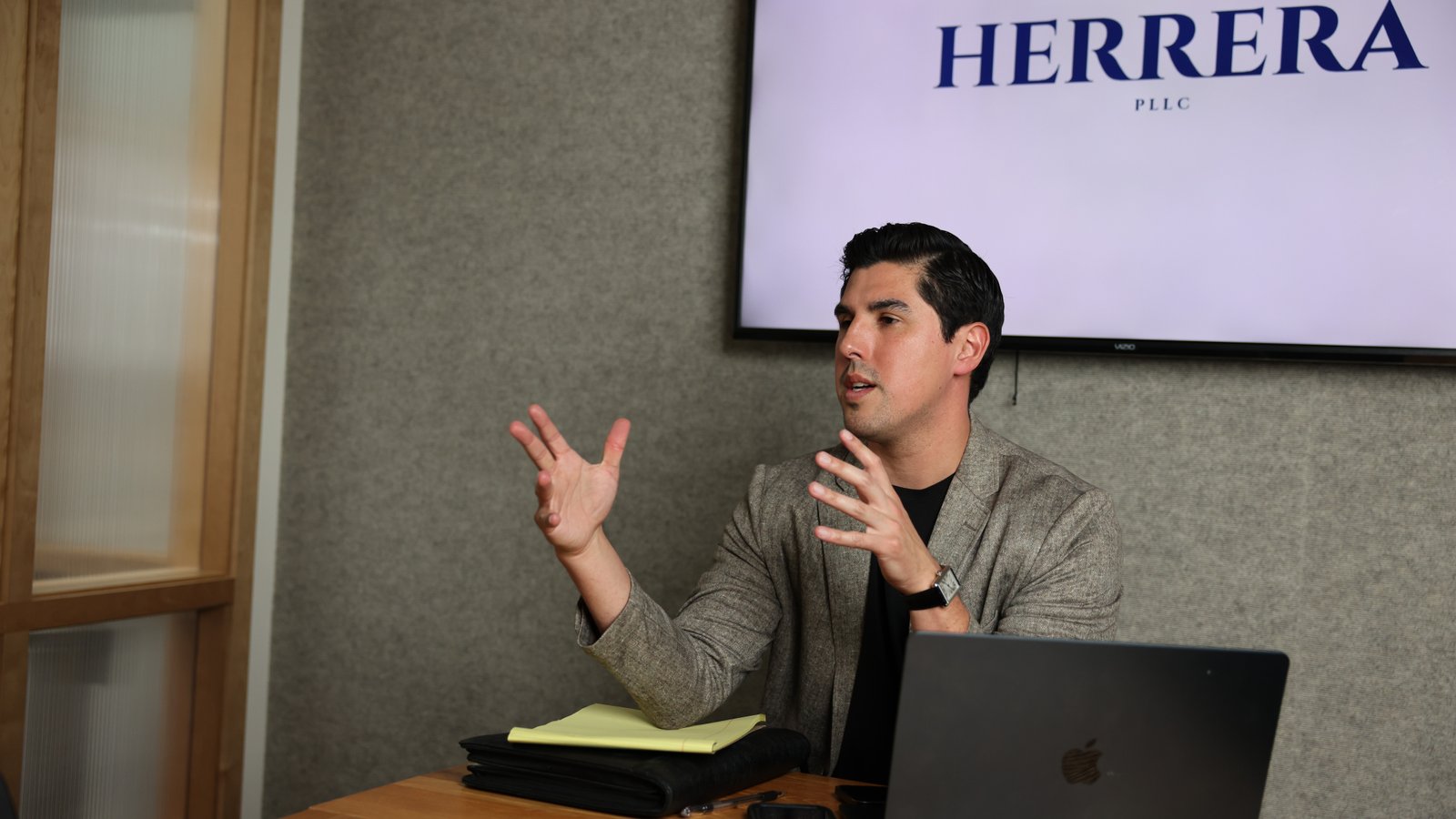
How a Former Insurance Adjuster Evaluates Your Claim
For an underpaid Sugar Land claim, we compare the insurer’s estimate against available photographs, inspection reports, contractor estimates, and policy language.
We examine:
- Roofing materials and pricing: Does the estimate account for the actual shingles and other materials installed on your home?
- Slopes and areas inspected: Did the inspection account for all roof sections?
- Roof accessibility: Were steep-roof and second-story charges included where necessary?
- Missing work: Were necessary components, labor, and related repairs left out?
- Depreciation: Were deductions calculated correctly under the policy?
- Coverage decisions: Did the insurer rely on exclusions or limitations that apply to the actual damage?
We also look at the difference between the insurer’s estimate and the work required to restore the covered damage. Then we give you a straightforward assessment of whether the gap is worth pursuing.
Check Your Attic After a Storm
A few times a year, and after major storms, look in your attic for signs of water intrusion. Check for water stains on the roof deck, damp insulation, daylight through the decking, and moisture around vents, chimneys, and skylights.
If you find something, photograph it and report it promptly. Keep in mind that insurers may investigate whether a leak resulted from a sudden covered event or long-term seepage, which some policies exclude.
Documenting changes early can help establish when you first noticed the damage and what conditions were present.
Contractors and Your Insurance Claim
Contractors can inspect your roof, prepare repair estimates, and complete the work. However, a contractor performing work on your home cannot also act as your public adjuster or negotiate your insurance claim. Texas law also prohibits contractors from offering to waive, rebate, or absorb your deductible, according to the Texas Department of Insurance.
A contractor’s estimate can help identify missing repairs or differences in material costs. However, evaluating policy coverage and handling legal disputes are separate responsibilities.
Learn more about the different roles of public adjusters and insurance attorneys.

What to Do After Roof Damage From a Storm
Taking a few steps after a storm can help preserve important information about your roof and insurance claim.
- Report the claim promptly.
- Check your attic and photograph any signs of water intrusion.
- Photograph the roof from the ground, along with gutters, vents, AC units, fences, and windows.
- Take reasonable steps to prevent further damage and keep receipts for temporary repairs.
- Write down the name and company of anyone who inspects your roof. Ask who the adjuster handling your claim is, and verify that adjuster’s license through the TDI license lookup. Some inspectors only document the roof for the adjuster and may not hold an adjuster license themselves.
- Ask which slopes were inspected and how the inspection was performed, whether by drone, ladder, or directly on the roof.
- Request the insurer’s complete estimate, inspection photographs, and any engineer report.
For more guidance on the insurance investigation and documentation process, read what happens after filing a homeowners insurance claim.
Texas Insurance Claim Laws and Deadlines
Texas law sets deadlines for insurers to acknowledge, investigate, and pay claims. Depending on the circumstances, interest and attorney’s fees may be available when an insurer fails to meet its legal obligations.
For weather-related claims, Chapter 542A of the Texas Insurance Code generally requires written notice to the insurer at least 61 days before filing suit, subject to limited exceptions. Your homeowners policy may also contain its own deadline to file suit, so review it early.
A disagreement over the amount of a covered loss may also involve the appraisal process if the policy provides for it. Appraisal can help resolve certain disputes over repair costs and the amount of loss, but it does not necessarily resolve disagreements about coverage or exclusions.
Before deciding how to proceed, consider reviewing the policy, the insurer’s estimate, and the specific reason for the disagreement.
Learn more about Texas property insurance claims and legal options.
Serving Homeowners Across Sugar Land
We represent homeowners throughout Sugar Land and Fort Bend County, including First Colony, Riverstone, Telfair, Sugar Creek, Sweetwater, Avalon, New Territory, Greatwood, Sugar Mill, and Imperial, as well as nearby Missouri City and Richmond, from our Houston office. Hablamos español.
Learn more about our property insurance claim services throughout Greater Houston.
Related local claim pages: Missouri City, Pearland and Katy.

Talk With Us About Your Sugar Land Claim
If your insurer has underpaid, delayed, or denied your roof damage claim, Herrera PLLC can review the available documentation and explain your legal options.
Call 832.891.3210 or request a free consultation online.
Prior results do not guarantee a similar outcome. Attorney responsible for this content: Jonathan Herrera, Herrera PLLC, Houston, Texas.
Frequently Asked Questions
It can be. The difference may come from missed roof slopes, incorrect measurements, lower-priced materials, omitted labor, or depreciation. Comparing both estimates line by line can help identify where the amounts differ and whether the insurer's estimate should be challenged.
Not necessarily. Impact-resistant shingles are designed to withstand hail better, but they can still sustain damage. A closer inspection may identify conditions that were not apparent during an initial review. The policy language and available inspection evidence matter when evaluating the insurer's decision.
A drone can be a useful inspection tool, but whether it provides enough information depends on the roof's complexity, the available photographs, and the areas examined. On steep or complex roofs, ask the insurer which slopes were inspected and whether any areas require additional evaluation.
Many homeowners insurance policies allow either party to demand appraisal to resolve certain disagreements over the amount of loss. Each side generally selects an appraiser, and an umpire may become involved if the appraisers cannot agree. Appraisal has costs and limitations, and it does not necessarily resolve coverage disputes. Review your policy and the nature of the disagreement before deciding whether to use it.
It depends on the size of the disputed amount, the reason for the underpayment, and the available evidence. Some disagreements can be resolved through additional documentation or a reinspection. Others involve significant differences in repair scope, policy interpretation, or disputed coverage. Herrera PLLC will give you an honest assessment during a free consultation.