

A Complex Home Deserves a Complete Estimate
High-value homes are harder to restore, and their insurance claims are harder to estimate. Slate and tile roofs, copper work, custom millwork, stone, imported finishes, and specialty systems don’t fit a standard estimate. When an insurer prices them as if they did, the gap can be substantial.
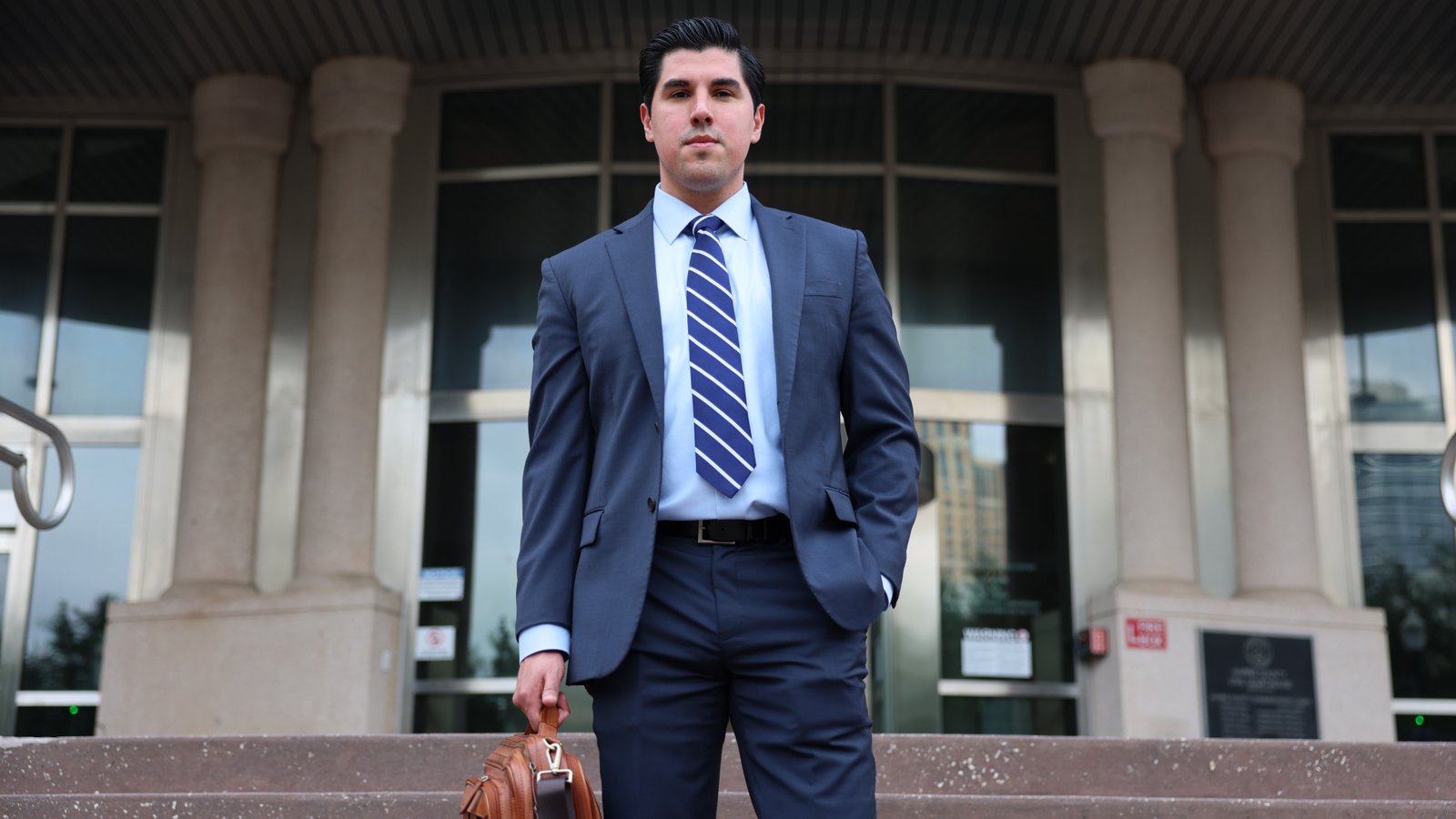
Herrera PLLC represents River Oaks homeowners in denied, delayed, and underpaid property insurance claims. Before becoming an attorney, Jonathan Herrera spent more than a decade working in insurance claims as a licensed adjuster. He has also served as claims counsel and practiced insurance defense and coverage law. Today, he uses that experience to represent homeowners in disputes with their insurance companies.
His background provides practical insight into how insurers evaluate complex property damage, prepare repair estimates, interpret policy provisions, and determine what they will pay.
Free consultation: call 832.891.3210.
Storms and Mature Trees in Central Houston
The May 2024 derecho hit central Houston with winds near 100 mph and left more than a million customers without power, FOX Weather reported. Two months later, the Texas A&M Forest Service estimated that Hurricane Beryl’s winds affected about half of the Houston area’s urban trees, ABC13 reported.
In neighborhoods with large, mature trees, these storms can mean fallen limbs and trees on roofs, along with wind damage that may not be visible from the street.
For high-value properties, the resulting damage can extend beyond the roof covering. A fallen limb or wind-driven rain may affect specialty roofing materials, copper components, ceilings, custom cabinetry, and other interior finishes.
A complete insurance estimate needs to account for the covered damage throughout the property, not just the most visible area.
Where High-Value Property Insurance Claims Come Up Short
A high-value home may require materials, restoration methods, and specialized labor that an ordinary residential estimate does not adequately account for. Common areas of disagreement include:
- Specialty roofs priced like standard roofs: Natural slate, clay tile, cedar, and copper require different materials and installation methods. Estimates based on common asphalt roofing may not reflect the actual cost of restoring these systems.
- Breakage during inspection and repair: Walking on slate or tile can break additional pieces. A proper repair estimate should consider the condition of the roof and the work needed to complete the repair without overlooking related damage.
- Matching materials: Older slate or tile may require salvaged materials to achieve a suitable match. Interior finishes such as stone, hardwood floors, plaster, and custom millwork can raise similar questions. Whether matching work is covered depends on the policy and the circumstances of the repair.
- Water damage behind finished surfaces: Wind-driven rain or a roof leak can affect custom cabinetry, flooring, walls, and other materials. A restoration estimate prepared for an ordinary home may not account for the materials and specialized work required in a high-value property. Learn more about underpaid water damage insurance claims.
- Copper, flashing, and code-related items: Specialty roof components, required removal and replacement work, and applicable code-related expenses can be overlooked or underestimated.
For more information about estimating disputes involving storm-damaged roofing, read our guide to underpaid wind, hail, and roof damage claims.

Approvals Before the Work Starts
Many River Oaks homes are subject to deed restrictions and review by River Oaks Property Owners, and some are designated historic landmarks.
For example, a River Oaks landmark on Inwood Drive with cedar shake and metal roofing went through City of Houston historic review for an addition roofed in slate and metal, according to the city’s Historical Commission agenda.
If your home must meet specific architectural or historic standards, find out which requirements apply before repairs begin and raise them with the insurance company. The proposed materials and repair methods may need to account for those requirements.
These restrictions do not automatically expand your insurance coverage. Whether additional costs are covered depends on the policy’s applicable provisions, including any ordinance or law coverage and other relevant endorsements.
What High-Value Homeowners Policies May Cover
Many River Oaks homes are insured under high-value homeowners policies. These policies may include features that are not available under every standard homeowners policy, such as extended replacement cost coverage, broader matching provisions, and specialized terms for certain property features.
They can also include their own conditions, limits, exclusions, and requirements.
For example, a policy may address replacement cost differently from actual cash value, apply separate limits to certain types of property, or establish specific requirements for repairing or replacing damaged materials.
The distinction matters when an insurer prepares an estimate for a property with specialty roofing, imported finishes, or custom construction.
The policy language, declarations, and endorsements determine what coverage applies. A home’s market value alone does not establish the amount an insurer owes for a covered loss.
Choosing Who Estimates and Repairs Your Property
For slate, tile, or copper roofing, get estimates from contractors who regularly work with those materials. The same principle applies to custom millwork, stone, specialty flooring, and complex restoration projects.
Ask potential contractors about their experience with comparable properties, the proposed repair methods, material availability, and the documentation supporting their estimates.
In Texas, a contractor performing work on your home cannot also act as your public adjuster or negotiate your insurance claim. Contractors are also prohibited from offering to waive, rebate, or absorb your deductible, according to the Texas Department of Insurance.
A contractor can inspect physical damage, prepare estimates, and complete repairs. A public adjuster has a separate role in representing policyholders in claim adjustment, while an insurance attorney can evaluate coverage disputes and legal options.
Learn more about the different responsibilities of public adjusters and insurance attorneys.

How a Former Insurance Adjuster Reviews a High-Value Claim
When reviewing a high-value property insurance claim, we examine the insurance company’s coverage decision, available inspection and consultant reports, repair estimates, and policy language.
We look for materials priced below what is actually installed on the home, repair scope that was left out, and policy provisions that may not have been properly applied.
Our review may include:
- The materials and construction features of the affected property.
- The inspection methods and reports used by the insurance company.
- The scope of damage identified by contractors and restoration professionals.
- Differences between the insurer’s estimate and specialty contractor estimates.
- Material availability and whether proposed repairs are practical.
- Matching provisions, replacement-cost terms, and other relevant endorsements.
- Whether additional inspections or expert opinions are needed.
For example, an estimate may include replacing a section of slate without accounting for the specialty labor required, or it may pay for water-damaged flooring without addressing affected adjoining materials.
If a specialty roofer, restoration consultant, or other expert opinion is needed, we’ll explain why.
For a better understanding of the insurance company’s investigation and estimating process, read what happens after filing a homeowners insurance claim.
Not Every Insurance Dispute Needs a Lawyer
On a complex home, a well-documented specialty estimate sometimes resolves the disagreement. Additional photographs, material specifications, contractor documentation, or a more detailed restoration proposal may be enough to support a reinspection or supplemental payment.
If that’s the right first step, we’ll tell you. If the gap remains significant or the insurer will not reconsider its position, we’ll explain your options.
The important thing is understanding why the insurer’s estimate differs from the actual work required and whether the policy supports the proposed payment.
Texas Property Insurance Laws and Deadlines
Texas law sets deadlines for insurers to acknowledge, investigate, and pay claims. Depending on the circumstances, interest and attorney’s fees may be available when an insurer fails to meet applicable legal requirements.
For certain weather-related claims, Chapter 542A of the Texas Insurance Code generally requires written notice to the insurer at least 61 days before filing suit, subject to limited exceptions.
Your homeowners policy may also contain its own deadline to file suit, and those deadlines vary. High-value property claims may involve extensive inspections and specialized estimates, but that does not eliminate the need to pay attention to applicable deadlines.
Review your policy and claim correspondence early rather than waiting until a dispute becomes more difficult to resolve.
Learn more about Texas property insurance claims and legal options.
Serving Homeowners in River Oaks
We represent homeowners in River Oaks and nearby neighborhoods, including Avalon Place, Royden Oaks, Afton Oaks, Upper Kirby, Montrose, Tanglewood, and Memorial, from our Houston office. Hablamos español.
Learn more about our property insurance claim services throughout Greater Houston.
Related local claim pages: Sugar Land, The Woodlands and Pasadena and Baytown.

Talk With Us About Your River Oaks Claim
If your insurer has underpaid, delayed, or denied a claim involving your River Oaks home, Herrera PLLC can review the available estimates, policy provisions, and supporting documentation.
Call 832.891.3210 or request a free consultation online.
Prior results do not guarantee a similar outcome. Attorney responsible for this content: Jonathan Herrera, Herrera PLLC, Houston, Texas.
Frequently Asked Questions
Yes. An insurance estimate should account for the materials installed on your home and the labor and repair methods required to restore covered damage. If the insurer used standard asphalt roofing prices for a specialty slate or tile roof, a detailed contractor estimate and material specifications may help identify the difference.
It depends on your policy language, the available materials, and whether the proposed repair can adequately restore the property. Some high-value homeowners policies include broader matching provisions, but that coverage is not universal. Review the applicable endorsements and matching terms before deciding what the insurer must pay.
It can affect how repairs must be completed, including the materials, design, and approvals required for the work. However, deed restrictions and historic designation do not automatically mean an insurer must pay every additional expense. Whether those costs are covered depends on the policy, applicable endorsements, and the circumstances of the loss.
Yes. If the available evidence shows that covered water damage affected additional materials or connected areas, you can ask the insurer to review the repair scope. Moisture readings, photographs, restoration reports, and contractor estimates may help document damage that was not included in the initial estimate.