

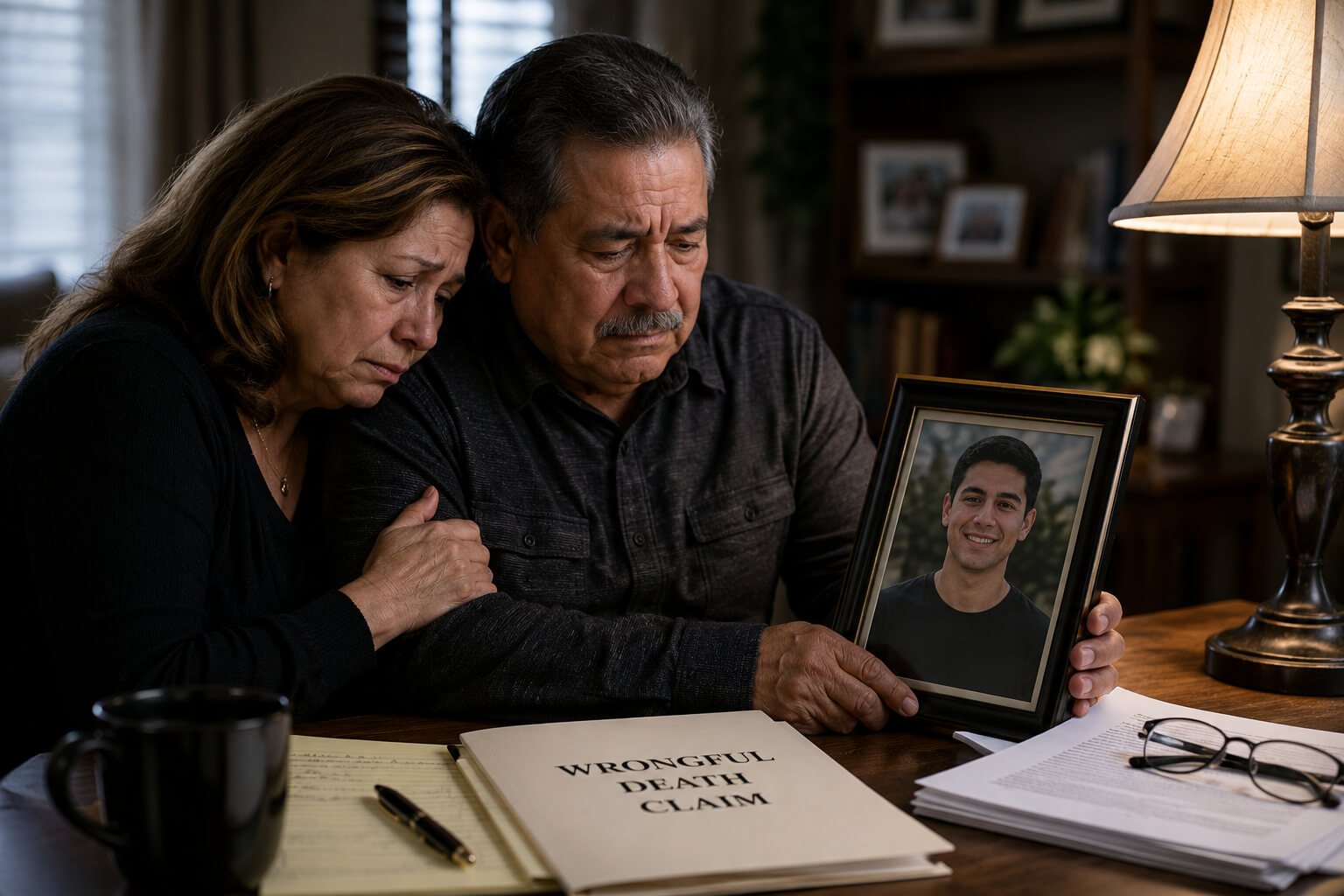
Wrongful Death Damages for Adult Children: What Texas Law Allows Parents to Recover

Losing a child is one of the most painful experiences a parent can face, and that pain does not become smaller because the child has grown up, built a career, or started a family of their own. Some parents in this situation assume that Texas law only protects families with young children, or that their rights end once a son or daughter reaches adulthood. That assumption is incorrect, and it can lead grieving parents to believe they have no legal options when, in fact, they do.
At Herrera PLLC, Jonathan Herrera personally handles wrongful death matters for Houston and Texas families, bringing an understanding of how these claims are evaluated that comes from more than a decade evaluating serious injury and casualty claims before becoming an attorney. This article explains what Texas law allows parents to recover when they lose an adult child to a preventable accident, and what makes these claims different from other wrongful death situations.
Who Qualifies as a Beneficiary Under Texas Wrongful Death Law
Parents can recover for the wrongful death of an adult child in Texas; the law does not impose an age limit on the child for purposes of a parent’s beneficiary status. Texas wrongful death claims are governed by Chapter 71 of the Texas Civil Practice and Remedies Code. Under Section 71.004, the right to bring a wrongful death action belongs to the surviving spouse, children, and parents of the person who died. The statute does not place an age limit on who counts as a “child,” and it does not distinguish between a minor and an adult when it comes to a parent’s right to recover for that child’s death. Biological and legally adopted parent-child relationships qualify; stepparent relationships generally do not unless a legal adoption occurred.
The surviving spouse, children, and parents may bring the action together, or any one of them may bring it for the benefit of all. If none of them files suit within three calendar months of the death, the executor or administrator of the deceased’s estate is generally required to bring the claim, unless every eligible family member asks that it not be filed.
Damages Available to Parents Regardless of the Child’s Age
Texas law allows parents to seek several categories of damages for the wrongful death of a child, and nothing in the statute reduces those categories simply because the child was an adult at the time of death. These generally include loss of companionship and society, mental anguish, loss of inheritance, funeral and burial expenses, and, where applicable, loss of financial support the parent was reasonably likely to have received from the child. Where the death was caused by a willful act or omission or by gross negligence, Section 71.009 also allows for the recovery of exemplary damages in addition to actual damages.
Loss of Companionship and Society: What These Damages Actually Cover
For much of Texas legal history, parents were limited to recovering only the calculated financial value of a deceased child’s services. In Sanchez v. Schindler, 651 S.W.2d 249 (Tex. 1983), the Texas Supreme Court moved away from that pecuniary-loss-only approach, recognizing that the true loss to a parent is not financial but relational: the loss of a child’s love, comfort, guidance, and companionship.
In practice, loss of companionship and society damages are meant to compensate for the ongoing relationship a parent has been deprived of, the day-to-day connection, holidays, life events, and simple presence of an adult son or daughter in a parent’s life. Mental anguish damages address the emotional suffering the death itself has caused. These are inherently difficult to reduce to a dollar figure, which is part of why the specific facts of the parent-child relationship, not just the child’s age, matter so much in building this part of a claim.
How an Adult Child’s Own Family Complicates a Claim
When an adult child leaves behind a spouse or children of their own, those individuals are also eligible beneficiaries under the same statute. This does not eliminate a parent’s right to recover. Texas courts have specifically recognized that parents can still bring a claim even when their adult child has a spouse and family of their own. What it does mean is that the total damages awarded in the case are apportioned among everyone entitled to recover, spouse, children, and parents alike, based on each person’s relationship to the deceased and the losses each one is able to show.
This can add real complexity. A jury weighing a claim brought by a surviving spouse, the deceased’s own children, and the deceased’s parents has to evaluate several distinct relationships and losses within the same case, and evidence of the parents’ relationship with their adult child becomes especially important when other family members are also seeking a share of the recovery. Coordinating among these different family members, who may not always agree on how to proceed, is often one of the more delicate aspects of handling this type of case.
Financial Support Damages When a Parent Was Dependent
Some parents, particularly as they age, receive regular financial support from an adult child, whether that means help with living expenses, medical costs, housing, or general caregiving. When a parent can show that they were financially dependent on the child, in whole or in part, and that this support was reasonably likely to have continued, Texas law allows for damages tied to the loss of that financial contribution, separate from the non-economic damages described above.
Evaluating this category of damages often involves documenting the actual support that was being provided and what it was reasonably expected to look like going forward. Insurance carriers and defense counsel scrutinize this evidence closely, and understanding how that evaluation happens from the inside is part of what Jonathan Herrera’s background as a former insurance adjuster brings to a wrongful death case involving a parent’s financial dependence on an adult child.
Filing Deadlines and Why Acting Promptly Matters
Texas generally imposes a two-year statute of limitations from the date of death for wrongful death claims. Because this deadline is measured from the date of death rather than the date of the underlying accident, it applies the same way whether the deceased was a minor or an adult. Missing this window generally forecloses a parent’s ability to recover, regardless of how strong the underlying case may have been.
Acting early also matters for practical reasons beyond the filing deadline. Evidence connected to the underlying accident, whether a crash, a workplace incident, or another preventable event, can become harder to gather as time passes, and coordinating a claim among multiple eligible family members, including a deceased child’s own spouse or children, often takes time to work through carefully.
Frequently Asked Questions
Can parents recover damages for an adult child’s death in Texas?
Yes. Texas law does not limit a parent’s right to bring a wrongful death claim to cases involving minor children. Parents of adult children are eligible beneficiaries under Chapter 71 of the Texas Civil Practice and Remedies Code in the same way as parents of minor children.
What is the loss of companionship and society?
This is a category of non-economic damages that compensates parents for the loss of an ongoing relationship with their child, including love, comfort, guidance, and companionship, separate from any financial support the child may have provided.
Does it matter if the adult child had their own spouse or children?
It affects how the total damages are apportioned, since the deceased’s spouse and children are also eligible beneficiaries under the same statute, but it does not eliminate a parent’s right to bring a claim or recover damages for their own losses.
Can parents recover if they depended on the child financially?
Yes. Where a parent can show they were financially dependent on their adult child, Texas law allows for damages tied to the loss of that support, in addition to non-economic damages like loss of companionship and mental anguish.
How long do parents have to file a claim?
Texas generally imposes a two-year statute of limitations from the date of death. Because the deadline is tied to the date of death rather than the underlying accident, this timeline applies the same way regardless of the child’s age.
This article is provided for general informational purposes and does not constitute legal advice. Every wrongful death case depends on its own specific facts, and reading this article does not create an attorney-client relationship with Herrera PLLC. If you lost an adult son or daughter to a preventable accident in Texas, Jonathan Herrera offers a free, confidential consultation to help you understand your options, with no fee unless a recovery is made. Call 832-891-3210 or visit the contact page to get started.
Jonathan Herrera, J.D. Jonathan Herrera is the founder of Herrera PLLC, a Houston, Texas law firm representing individuals in serious personal injury, insurance law, and civil litigation matters, including wrongful death claims. Before becoming an attorney, he spent over a decade as a licensed insurance adjuster handling high-exposure casualty claims before practicing insurance defense and founding Herrera PLLC.