

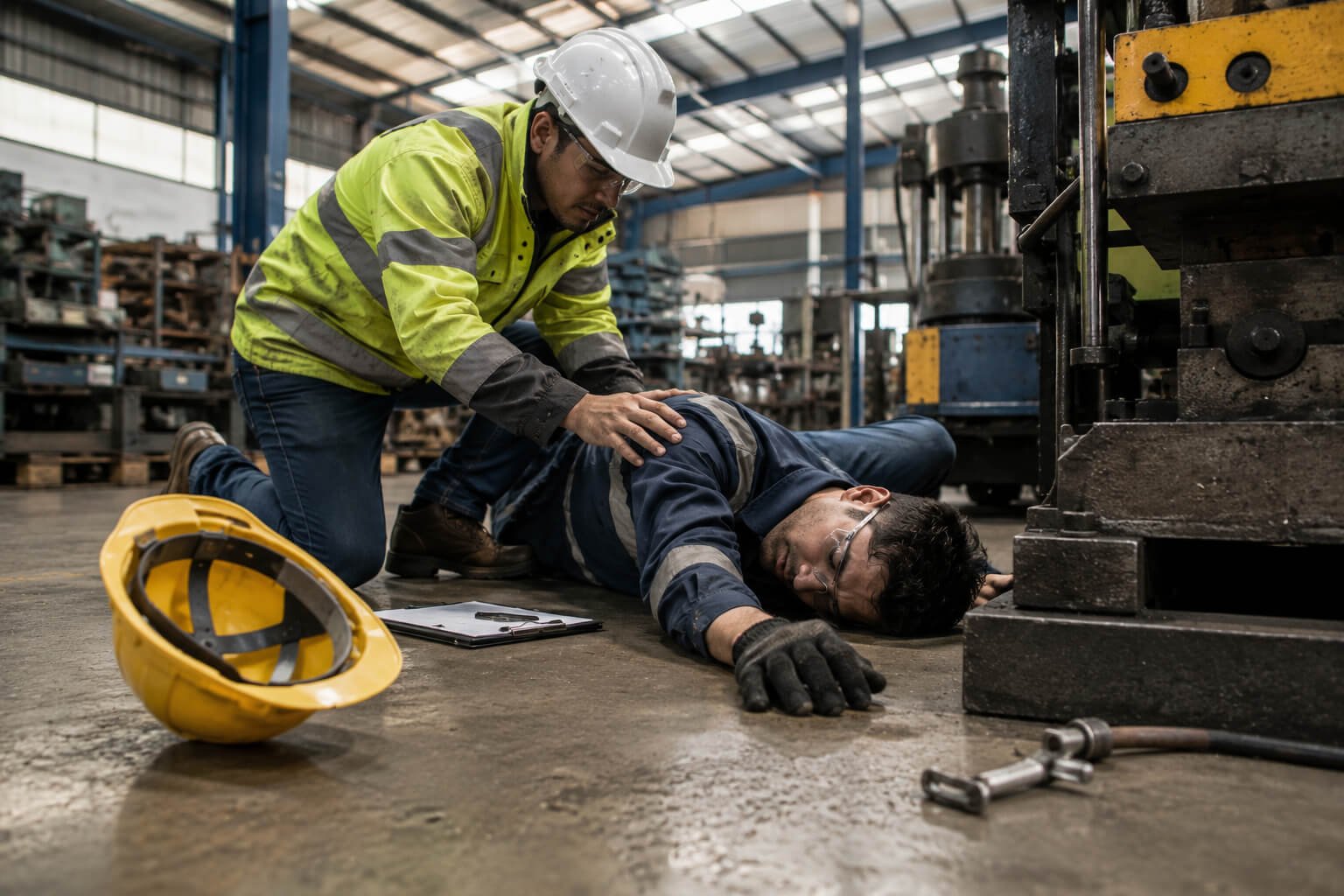

Electrocution is one of the deadliest hazards on any construction or industrial site, and it doesn’t require a catastrophic failure to happen. A single exposed wire, an unmarked overhead line, or a skipped lockout step can turn an ordinary task into a life-threatening injury in seconds. This risk is especially relevant in the Houston area, home to one of the largest concentrations of industrial facilities, refineries, and active construction sites in the country. Because the injury patterns and safety standards involved are so different from falls or equipment accidents, electrocution cases call for their own careful look at what went wrong and who was responsible for preventing it.
Herrera PLLC represents workers and families affected by electrocution and electrical accidents on construction and industrial sites throughout Houston and across Texas, including on our Construction & Industrial Accidents page.
Common Sources of Electrocution Risk on Construction Sites
Electrical hazards on job sites tend to fall into a few recurring categories. Contact with overhead power lines is one of the most frequent, particularly when cranes, scaffolding, ladders, or other tall equipment are operated near active lines without proper clearance. Damaged or improperly grounded equipment is another common source, especially on sites where tools and machinery see heavy daily use and maintenance gets deferred. Temporary wiring, often used throughout a construction project, is frequently a weak point, since it’s more exposed to weather, foot traffic, and physical damage than permanent electrical systems. Work performed on or near live electrical systems without proper de-energization procedures rounds out the most common causes seen on Texas job sites.
OSHA’s Electrical Safety Standards and Common Violations
The Occupational Safety and Health Administration regulates electrical safety on construction sites primarily under 29 CFR Part 1926, Subpart K, which covers wiring methods, equipment installation, and safety-related work practices. These standards require minimum clearance distances from power lines, proper grounding of equipment, protective measures like ground-fault circuit interrupters in specific work conditions, and training for workers who perform electrical work or work near energized systems. Common violations that show up after an electrocution incident include inadequate distance from power lines, improperly maintained or damaged equipment, missing or bypassed ground-fault protection, and workers performing tasks near energized equipment without proper training or authorization. A documented OSHA violation following an accident can be significant evidence in establishing that a hazard was foreseeable and preventable.
Overhead Power Line Contact Incidents
Contact with overhead power lines is among the most severe categories of construction electrocution, largely because of the extremely high voltage involved. These incidents commonly occur when cranes, boom lifts, ladders, or metal scaffolding come into contact with, or pass too close to, an active line. OSHA sets specific minimum approach distances based on the voltage of the line, including specific clearance requirements for cranes and other equipment operating near power lines under 29 CFR 1926.1408, and equipment operators are required to maintain that clearance at all times. When a power line contact incident occurs, questions typically center on whether the site had properly identified and marked nearby lines, whether workers and equipment operators were briefed on line locations, and whether the utility company or site owner had taken adequate steps to de-energize or insulate lines during nearby work.
Arc Flash Injuries and Their Long-Term Medical Impact
An arc flash occurs when an electrical current travels through the air between conductors, releasing an intense burst of heat, light, and pressure. Arc flash injuries are often severe, including deep burns, hearing damage from the accompanying blast, and eye injuries from the intense light produced. Recovery from a serious arc flash injury frequently involves extensive burn treatment, multiple surgeries, and long-term rehabilitation, and workers who survive an arc flash may face permanent scarring, mobility limitations, or the inability to return to their previous line of work. Because of the severity and long recovery timeline typically involved, arc flash cases often require careful documentation of both the incident itself and the medical care that follows.
Utility Company and Contractor Liability Questions
Responsibility for an electrocution accident isn’t always limited to a single party. A general contractor may bear responsibility for site safety protocols and worker training, while a subcontractor performing electrical work may be responsible for the specific task that led to the incident. In cases involving power line contact, the utility company itself may share responsibility if lines weren’t properly marked, maintained, or de-energized during nearby construction activity. Equipment manufacturers can also become relevant if a defect in grounding, insulation, or safety mechanisms contributed to the incident.
Having spent over a decade managing high-exposure industrial and casualty claims from the insurance carrier’s side before becoming an attorney, Jonathan Herrera has firsthand familiarity with how these multi-party liability questions get evaluated internally by carriers and defense counsel, which informs how these cases are investigated at Herrera PLLC. Whether an injured worker can pursue a claim directly against their own employer, as opposed to a third party on site, often depends on the employer’s workers’ compensation status, since Texas does not require most private employers to carry coverage. Under Texas’s modified comparative negligence rule, an injured worker can still recover damages even with some shared fault in the incident, as long as they are not found more than 50 percent responsible, though compensation is reduced by their assigned percentage of fault.
Sorting out which party or parties bear responsibility typically requires a detailed review of site records, safety protocols, insurance coverage, and the specific circumstances of the incident.
Investigating a Site’s Lockout/Tagout Procedures
Lockout/tagout procedures are designed to ensure that machinery and electrical systems are properly shut down and unable to be re-energized while workers are performing maintenance or repair tasks. These procedures typically involve physically locking out power sources and tagging them to warn other workers that the equipment is out of service. A breakdown in lockout/tagout procedures, whether from a skipped step, inadequate training, or a supervisor pressuring workers to bypass safety protocols to save time, is a recurring factor in electrocution incidents involving equipment that should have been de-energized. Reviewing a site’s lockout/tagout records and training documentation is often a key step in understanding whether proper procedures were followed before an incident occurred.
What to Know About Filing a Claim
In Texas, most personal injury claims arising from a construction or industrial accident, including electrocution incidents, are subject to a two-year statute of limitations running from the date of injury, and two years from the date of death in a wrongful death case. For families who have lost a loved one, our Wrongful Death practice addresses these cases in more detail.
Serious injury cases at Herrera PLLC are handled on a contingency fee basis, meaning there are no upfront attorney’s fees and no obligation to pay unless compensation is recovered.
If you or a family member has been affected by an electrical accident on a Texas construction or industrial site, Herrera PLLC handles construction and industrial accident cases, including those resulting in wrongful death. Consultations are free, confidential, and come with no obligation. Call 832-891-3210 or contact us to discuss what happened.
Frequently Asked Questions
What causes most construction electrocution accidents?
Most construction electrocution accidents stem from contact with overhead power lines, damaged or improperly grounded equipment, exposed temporary wiring, or work performed near energized systems without proper de-energization procedures. Each of these hazards is addressed by specific OSHA safety requirements.
What does OSHA require for electrical safety?
OSHA’s electrical safety standards, found in 29 CFR Part 1926, Subpart K, require proper equipment grounding, minimum clearance distances from power lines, protective measures like ground-fault circuit interrupters in specific conditions, and training for workers who perform electrical work or work near energized equipment.
What is an arc flash injury?
An arc flash is an intense release of heat, light, and pressure caused by an electrical current traveling through the air between conductors. It often results in severe burns, hearing damage, and eye injuries, with recovery frequently involving extensive burn treatment and long-term rehabilitation.
Could a utility company be liable?
A utility company may share liability in an electrocution case if power lines involved in the incident weren’t properly marked, maintained, or de-energized during nearby construction activity. Liability often depends on the specific facts of how the incident occurred and what safety measures were or weren’t in place.
What is lockout tagout and why does it matter?
Lockout/tagout refers to procedures used to shut down and secure machinery or electrical systems so they can’t be accidentally re-energized while workers perform maintenance or repairs. A breakdown in these procedures is a common factor in electrocution incidents involving equipment that should have been de-energized.
This article is for general informational purposes only and does not constitute legal advice, and the facts of any specific electrical accident can change how Texas law applies.
Jonathan Herrera, J.D. is a Houston-based attorney and the founder of Herrera PLLC, representing workers, families, and businesses across Texas in serious injury, insurance law, and civil litigation matters. Before practicing law, he spent over a decade as a licensed insurance adjuster managing high-exposure casualty and property claims, including industrial and construction-related incidents, for carriers and third-party administrators across multiple states, and he later practiced insurance defense before founding Herrera PLLC. He is a member of the Texas Trial Lawyers Association and the American Association for Justice.