
When a Drunk Driver Kills Someone You Love: What Texas Families Need to Know About Dram Shop Wrongful Death Claims

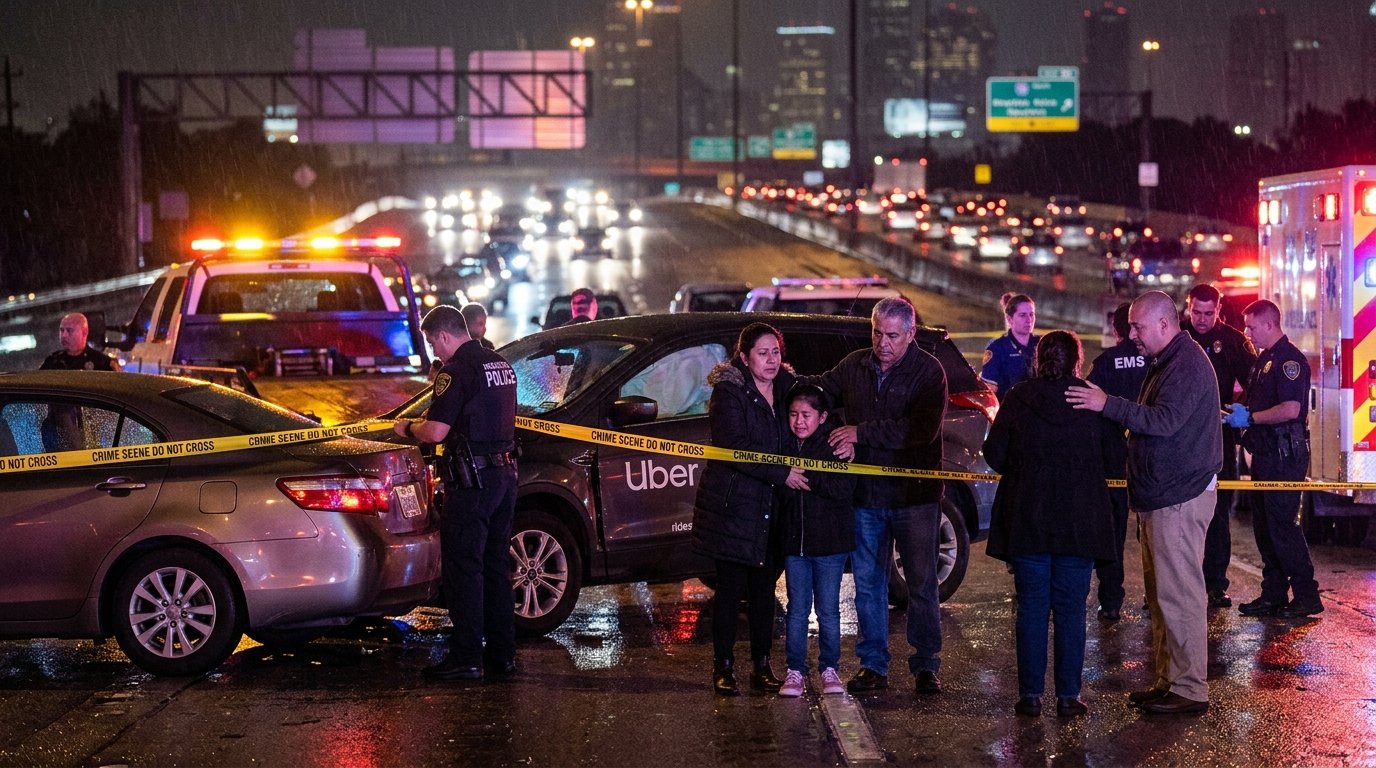
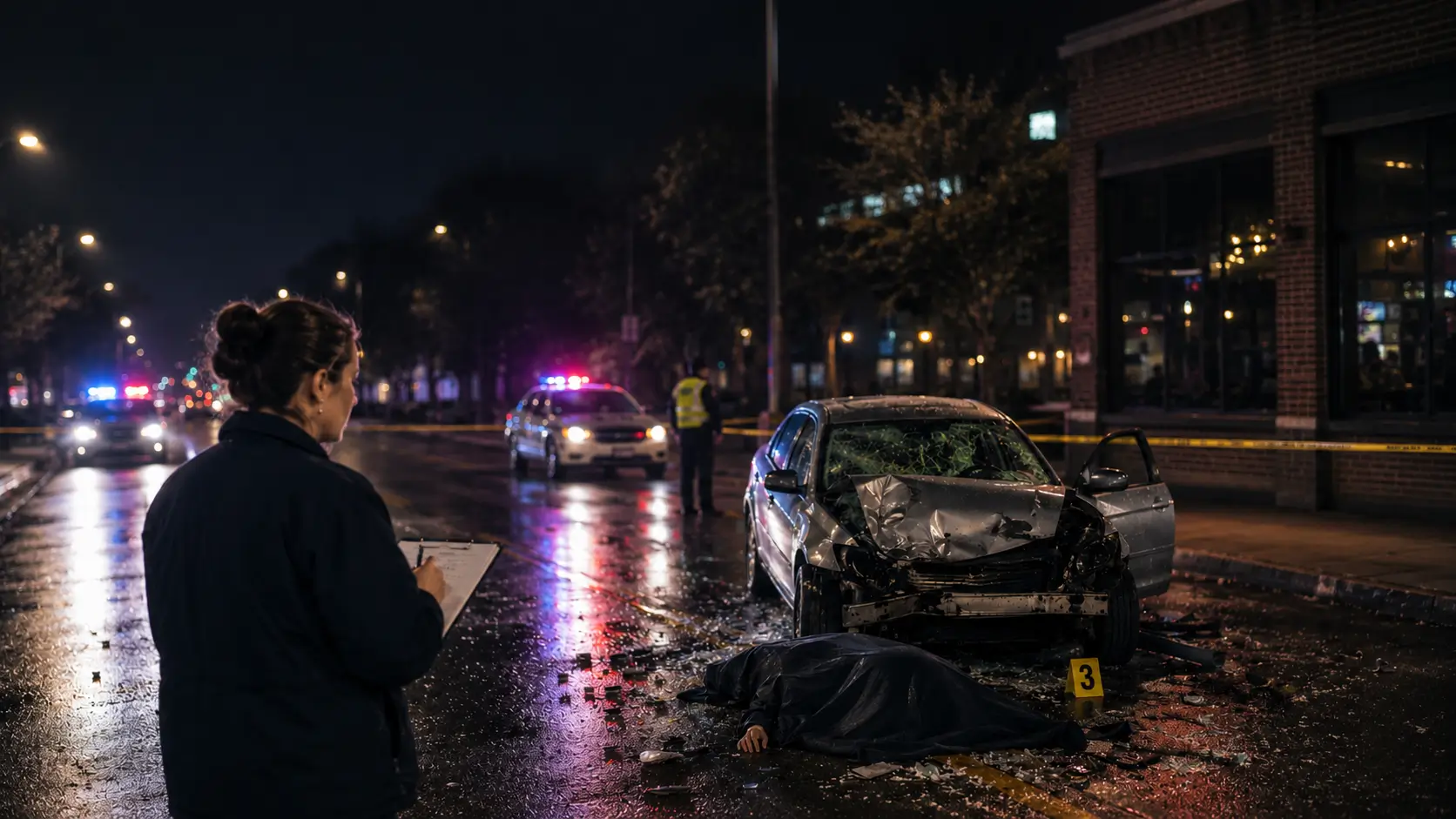
A phone call in the middle of the night. A police officer at the door instead of the person who was supposed to walk through it. Losing a family member to a drunk driver does not happen in stages, it happens all at once, and the legal questions arrive long before anyone is ready for them.
Most grieving families assume the only person who caused this is the driver behind the wheel. Texas law allows for that but it also allows, in many cases, for a second claim against whoever put the alcohol in that driver’s hand. Whether that second claim exists, and how much it is actually worth, depends on a statute most families have never heard of until a lawyer raises it.
Texas Alcoholic Beverage Code § 2.02: When the Bar That Served Him Becomes a Defendant
The elements: Texas Alcoholic Beverage Code § 2.02(b) commonly called the Dram Shop Act allows a claim against a bar, restaurant, or other alcohol provider on proof of two things: at the time alcohol was provided, it was apparent the recipient was obviously intoxicated to the point of presenting a clear danger to himself and others, and that intoxication was a proximate cause of the resulting damages.
Why this is the only road in: The Texas Supreme Court held in F.F.P. Operating Partners, L.P. v. Duenez, 237 S.W.3d 680, 684 (Tex. 2007), that the Dram Shop Act is the exclusive remedy against an alcohol provider for harm caused by an intoxicated patron, replacing the common-law negligence theory the court had recognized twenty years earlier in El Chico Corp. v. Poole, 732 S.W.2d 306 (Tex. 1987) with the Legislature having enacted the Dram Shop Act itself just about a week after Poole was handed down..
The Safe Harbor Defense Under § 106.14 and Why 20801, Inc. v. Parker Shifted the Burden
The defense: Texas Alcoholic Beverage Code § 106.14(a) protects an employer from liability for an employee’s unlawful service of alcohol if the employer required the employee to attend a TABC-approved seller training program, the employee actually attended it, and the employer did not directly or indirectly encourage the violation.
Who has to prove what: In 20801, Inc. v. Parker, 249 S.W.3d 392 (Tex. 2008), the Texas Supreme Court held the provider carries the burden on the first two elements of the safe harbor training required and completed but the plaintiff carries the burden of showing the provider encouraged the violation, even if only negligently. A bar with a paper policy against over-serving is not automatically protected if its actual practices, drink specials, or manager conduct undercut that policy.
Texas Civil Practice and Remedies Code Chapter 71: The Claims a Family Can Bring
Wrongful death: Texas Civil Practice and Remedies Code § 71.002 creates the cause of action, and § 71.004(a) limits its benefit to the surviving spouse, children, and parents. Under § 71.004(c), if none of those beneficiaries files suit within three months of the death, the estate’s representative may bring it on their behalf.
Survival: A separate claim survives in the estate under § 71.021 for the decedent’s own pain, suffering, and medical expenses between the crash and death a claim the family member could have brought had they lived.
Exemplary damages have a constitutional wrinkle: Section 71.009 allows exemplary damages where death was caused by a willful act or gross negligence. But Article XVI, § 26 of the Texas Constitution, which separately governs exemplary damages in wrongful death cases, names only the surviving spouse and the decedent’s heirs of the body, not parents. The practical result is that a deceased adult’s parents can recover full wrongful death compensatory damages under Chapter 71, but exemplary damages in that same case may be limited to what the spouse or children can claim.
How Fault Gets Divided Between the Driver and the Bar
A dram shop claim is not a substitute for suing the driver it runs alongside it, and Texas’s proportionate-responsibility scheme decides how the financial responsibility is split. The Texas Supreme Court confirmed in Smith v. Sewell, 858 S.W.2d 350 (Tex. 1993), that Chapter 33 of the Civil Practice and Remedies Code applies to Chapter 2 dram shop claims. A jury assigns a percentage of fault to the driver and to the provider, and under Texas Civil Practice and Remedies Code § 33.001, a claimant whose own percentage of responsibility exceeds 50 percent recovers nothing a rule that matters most when the deceased was a passenger who chose to ride with an intoxicated driver, rather than to a family bringing a wrongful death claim on the deceased’s behalf.
The Punitive Damages Cap That Doesn’t Disappear for Intoxication Manslaughter
Most Texas families assume that because drunk driving that kills someone is a felony, the usual cap on punitive damages disappears. It often does not. Texas Civil Practice and Remedies Code § 41.008(b) caps exemplary damages at the greater of $200,000 or twice economic damages plus up to $750,000 in noneconomic damages. Subsection (c) removes that cap for several enumerated felonies but it specifically carves out intoxication assault under Penal Code § 49.07 and intoxication manslaughter under Penal Code § 49.08 from the exception. In plain terms: the felony that killed the family member is one of the few felonies the Legislature chose not to exempt from the punitive damages cap. A dram shop claim against the provider, where gross negligence in over-service can be shown, often becomes the more meaningful path to additional accountability beyond what the driver alone can pay.
How Houston’s Roads and Courts Shape These Cases
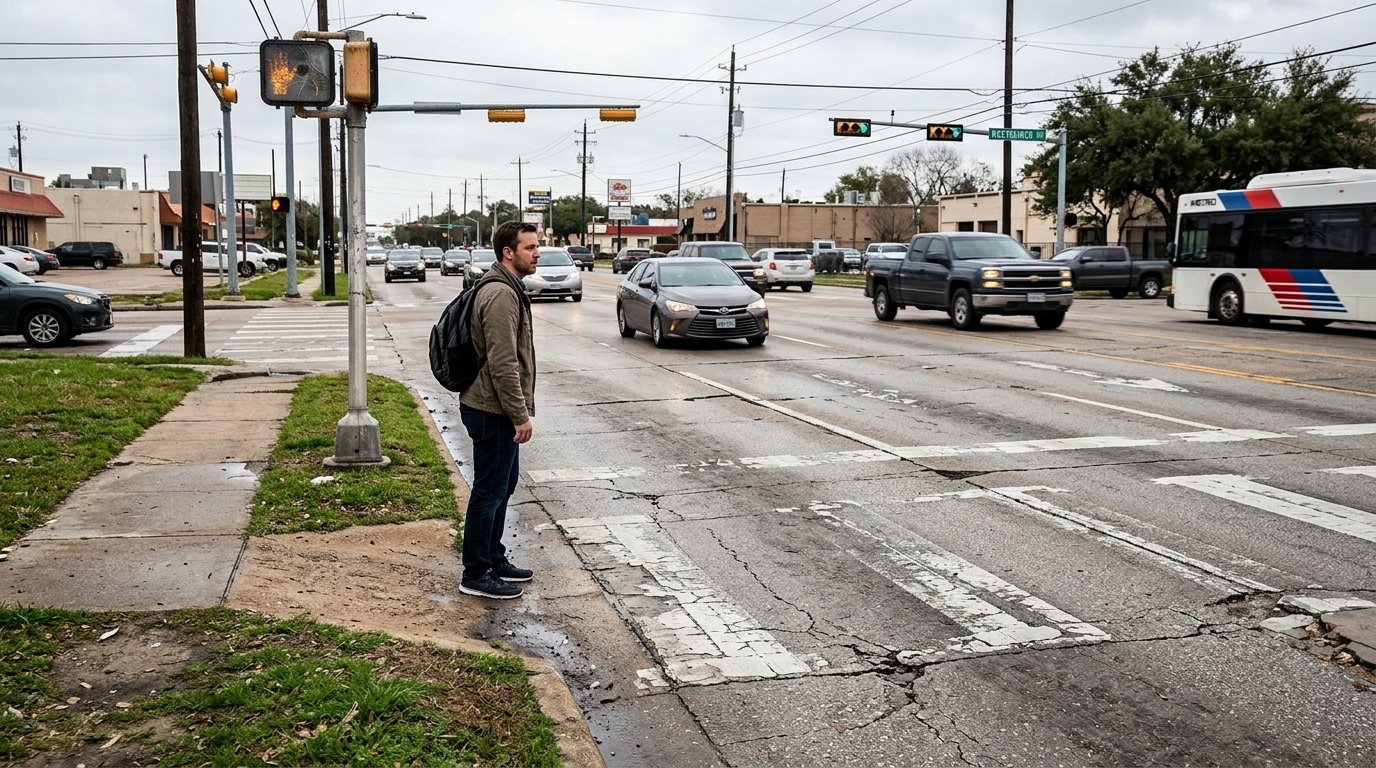
The Texas Department of Transportation reported 1,053 people killed in alcohol-related crashes statewide in 2024, accounting for roughly a quarter of all traffic deaths in the state that year. Harris County recorded more traffic deaths than any other county in Texas in 2024, and the greater Houston region Harris County together with Brazoria, Galveston, Montgomery, and Waller saw thousands of alcohol-related crashes that same year. With that volume of incidents comes a deep bench of TABC-licensed bars, restaurants, and event venues across Harris County whose insurance coverage and TABC certification records become central evidence in a dram shop claim. Families pursuing both the driver and the provider after a fatal crash in the Houston area are best served by working with an attorney experienced in both sides of these claims.
Frequently Asked Questions About Dram Shop Wrongful Death Claims in Texas
Can we sue the bar that served the drunk driver who killed our family member?
Possibly. Texas Alcoholic Beverage Code § 2.02(b) allows it if it was apparent the driver was obviously intoxicated when served and that intoxication proximate caused the crash. Receipts, surveillance footage, and staff and witness statements are usually what establish whether the signs of intoxication were visible at the time of service.
Does it matter whether the bar trained its staff?
Yes. Under § 106.14, a bar whose servers completed TABC-approved training and weren’t encouraged to over-serve may qualify for safe harbor protection. But 20801, Inc. v. Parker, 249 S.W.3d 392 (Tex. 2008), put the burden on the family to show the bar negligently encouraged the violation, which is often provable through inconsistent enforcement of its own written policies.
Who in the family can legally bring this claim?
Texas Civil Practice and Remedies Code § 71.004(a) limits wrongful death recovery to the surviving spouse, children, and parents. If none of them files within three months of the death under § 71.004(c), the executor or administrator of the estate may bring the claim on their behalf.
Will the driver’s intoxication being a felony increase what we can recover in punitive damages?
Not automatically. Texas Civil Practice and Remedies Code § 41.008(c) excludes intoxication manslaughter and intoxication assault from the felony exception that removes the usual punitive damages cap, so the standard cap under § 41.008(b) often still applies even in a fatal DUI case.
How long do we have to file a wrongful death claim after a drunk driving death?
Texas Civil Practice and Remedies Code § 16.003(b) generally requires the suit to be filed within two years of the date of death, and the discovery rule does not extend that deadline in wrongful death cases. Evidence from the bar, including surveillance footage and point-of-sale records, is often only retained for a matter of weeks, making early investigation important.
Jonathan Herrera, J.D. is a Houston-based attorney who represents seriously injured Texans, including construction workers and their families, in personal injury and civil litigation matters across the state. Before practicing law, he spent over a decade as a licensed insurance adjuster managing high-exposure casualty claims, including construction and industrial cases, for carriers and third-party administrators across multiple states. He is the founder of Herrera PLLC and a member of the Texas Trial Lawyers Association and the American Association for Justice.