

Hurricane or Windstorm Claim Denied or Underpaid?
Near Galveston Bay and the Houston Ship Channel, storms can arrive quickly and cause significant property damage. Many roofs in Pasadena and Baytown have already been through hurricanes Ike, Harvey, and Beryl. After another storm, insurers may argue that the damage resulted from age, a previous storm, or salt-air corrosion rather than the event you reported.
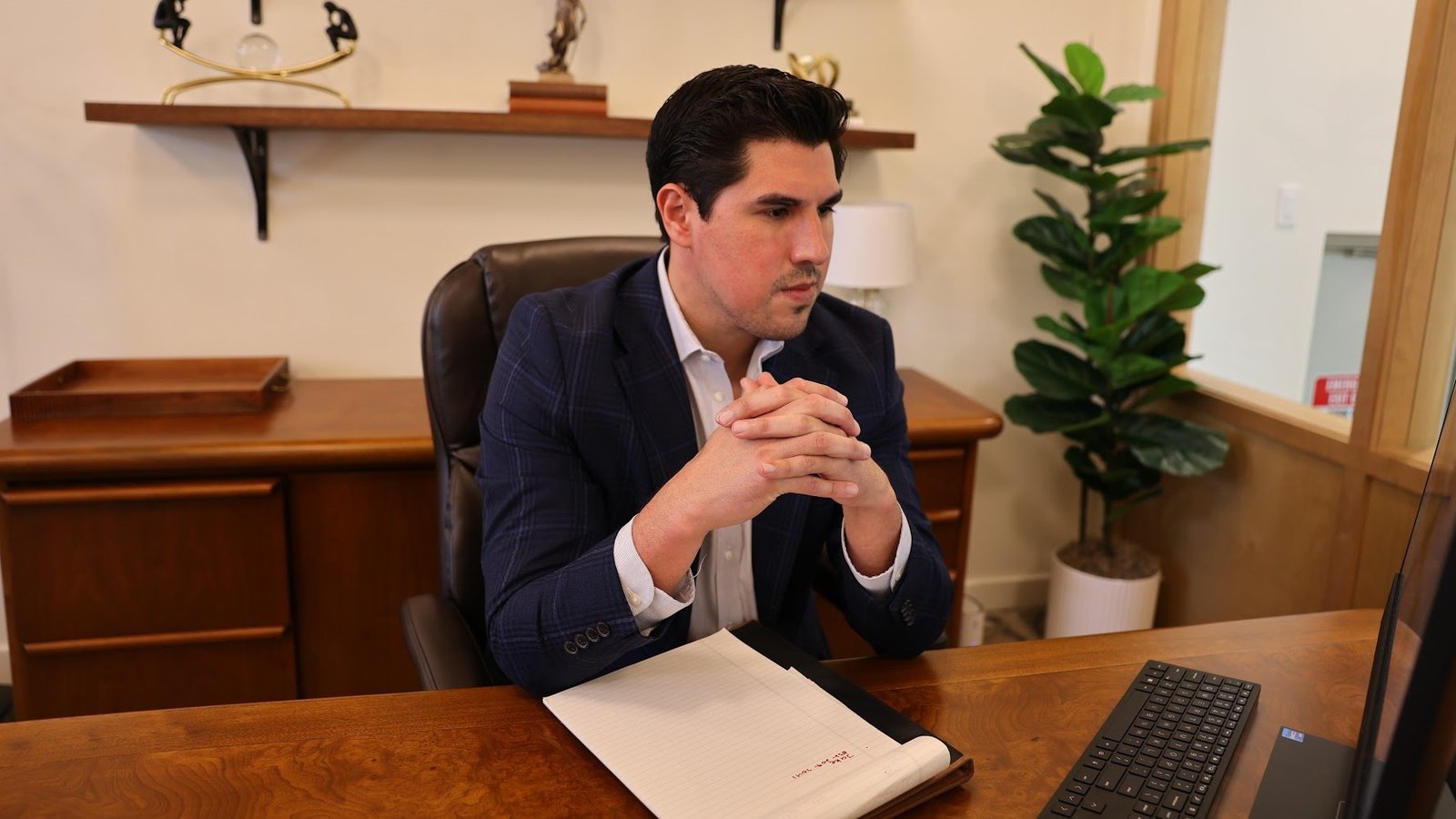
Herrera PLLC represents homeowners in Pasadena, Baytown, and nearby communities in denied, delayed, and underpaid windstorm and homeowners insurance claims. Before becoming an attorney, Jonathan Herrera spent more than a decade working in insurance claims as a licensed adjuster. He has also served as claims counsel and practiced insurance defense and coverage law. Today, he uses that experience to represent homeowners in disputes with their insurance companies.
His background provides practical insight into how insurers investigate storm damage, distinguish new damage from older conditions, and make coverage decisions. Our office is in Houston’s East End, a short drive up Highway 225 or I-10.
Free consultation: call 832.891.3210. Hablamos español.

Recent Storms Near Galveston Bay
During the May 2024 derecho, the National Weather Service estimated that winds in Baytown reached 90 to 100 mph at times, ABC13 reported.
Two months later, Hurricane Beryl left Baytown with more than 64,000 cubic yards of storm debris during the city’s initial cleanup, an amount the city’s contractor compared to what it might see after a Category 3 hurricane, according to the City of Baytown.
Back-to-back storms like these give insurers room to question which event caused particular damage. Photographs, repair records, inspection reports, and historical weather information can help distinguish damage from different events.
Common Windstorm Claim Disputes Near the Bay
Older Roofs, Bigger Arguments
An older roof can have years of wear and still sustain new storm damage. When an insurer reviews a windstorm claim, it may rely on the roof’s age, previous repairs, or earlier insurance claims to argue that the observed conditions were not caused by the reported event.
Common disagreements include:
- Wear and tear: Age and storm damage can overlap. The question is which conditions resulted from the reported windstorm.
- Previous storm damage: If you filed an earlier claim, the insurer may ask whether that damage was repaired. Keep photographs, invoices, and records showing what work was completed.
- Roof age payment rules: Some policies pay actual cash value for older roofs or apply a payment schedule based on roof age. Review your declarations page and endorsements to understand the applicable terms.
- Repair instead of replacement: Older shingles may be too brittle to lift and reseal without breaking surrounding materials. The proposed repair method should account for the roof’s actual condition.
Salt Air and Storm Damage
Near the bay, flashing, vents, fasteners, and other metal components can experience corrosion over time. Insurers may classify deterioration or corrosion as maintenance-related damage, depending on the policy.
But corrosion does not automatically explain shingles lifted by wind or flashing torn loose during a storm. A careful inspection should distinguish long-term deterioration from new storm damage and determine whether both conditions are present.
Photographs, inspection findings, and evidence of the roof’s condition before the storm can help clarify the difference.
Wind or Flood?
When a hurricane brings both wind and rising water, insurers may dispute which event caused interior damage. Flooding and storm surge are generally handled under separate flood coverage rather than a standard homeowners or TWIA windstorm policy.
Water entering through a roof opening caused by wind is a different situation from rising water entering the home. The applicable policy language and evidence of how the water entered matter.
Photographs of roof openings, damaged ceilings, interior walls, and the height of any water inside can help establish the source of the damage. When multiple policies apply, each insurer should evaluate the portion of the loss covered by its policy.

Could TWIA Cover Your Pasadena or Baytown Property?
Some properties in this area receive wind and hail coverage through the Texas Windstorm Insurance Association (TWIA) rather than a standard homeowners policy.
TWIA’s designated coverage area includes all 14 first-tier coastal counties, including Chambers County, and specified portions of Harris County east of Highway 146. In Harris County, the designated areas include portions of Pasadena, La Porte, Morgan’s Point, Seabrook, and Shore Acres. Parts of Baytown located in Chambers County may also fall within the geographic coverage area.
However, location alone does not establish eligibility. Applicants and properties must also meet TWIA’s applicable underwriting and eligibility requirements, including requirements concerning private-market coverage and windstorm building-code compliance.
Check the applicable coverage area and requirements through TWIA’s eligibility guidelines.
For a more detailed explanation of separate windstorm coverage, policy requirements, and claim procedures, read our guide to TWIA windstorm insurance in Texas.
How a Former Insurance Adjuster Evaluates Your Claim
For a Pasadena or Baytown windstorm claim, we start by determining which insurance policy applies and why the insurer denied or reduced the claim.
We examine:
- The cause of loss assigned by the insurer.
- How it separated storm damage from age, corrosion, or earlier damage.
- Available weather records and the reported loss date.
- Roof inspection photographs and engineering reports.
- The repair scope, materials, and pricing.
- Roof age provisions and depreciation calculations.
- Whether separate windstorm or flood policies may apply.
We also review whether the available evidence supports the insurer’s explanation and whether additional documentation or an inspection may help address the disagreement.
Then we give you a straightforward assessment of whether the claim is worth pursuing and what the next step should be.
For more information, read our guide to denied wind, hail, and roof damage insurance claims.
Contractors and Your Insurance Claim
Contractors can inspect your roof, prepare estimates, and complete repairs. Their photographs and observations can help document physical damage and identify repairs that may be missing from the insurance company’s estimate.
However, a contractor performing work on your home cannot also act as your public adjuster or negotiate your insurance claim. Texas law also prohibits contractors from offering to waive, rebate, or absorb your deductible, according to the Texas Department of Insurance.
Contractors can document the physical work required, while public adjusters and attorneys have separate responsibilities when handling insurance disputes.
Learn more about public adjusters and insurance attorneys.
Texas Insurance Claim Laws and Deadlines
Texas law establishes deadlines for insurers to acknowledge, investigate, and pay claims. Depending on the circumstances, interest and attorney’s fees may be available when an insurer fails to meet applicable legal requirements.
Certain weather-related property damage lawsuits are also subject to Chapter 542A of the Texas Insurance Code. It generally requires written notice to the insurer at least 61 days before filing suit, subject to limited exceptions.
Your homeowners policy may also have its own deadline to file suit. TWIA claims have separate reporting, appraisal, and coverage-dispute procedures, so do not assume the same deadlines apply to every policy.
Review the insurance company’s decision letter and applicable policy provisions as soon as possible. Learn more about Texas property insurance claims and legal options.
What to Do After Hurricane or Windstorm Damage
If your property has sustained wind or hurricane damage, take steps to document the loss and protect the home.
- Report the claim promptly, and confirm whether it should be filed with your homeowners insurer, TWIA, or both.
- Photograph the roof, ceilings, flashing, vents, gutters, fences, and any interior damage. Record the height of any water inside before cleanup.
- Gather records of previous insurance claims, roof repairs, and inspections.
- Take reasonable steps to protect the property from further damage and keep every receipt.
- Write down the name and company of anyone who inspects your roof. Ask who the adjuster handling your claim is, and verify that adjuster’s license through the TDI license lookup. Some inspectors only document the roof for the adjuster and may not hold an adjuster license themselves.
- Request the insurer’s complete estimate, inspection photographs, and any engineering report.
- Keep copies of all letters, emails, and communications about the claim.
For additional guidance, read what to do after filing a homeowners insurance claim.
Serving Pasadena, Baytown, and Nearby Communities
We represent homeowners in Pasadena, Baytown, Deer Park, La Porte, South Houston, Channelview, Highlands, and Mont Belvieu, from our Houston office. Hablamos español.
Learn more about our property insurance claim services throughout Greater Houston.
Related local claim pages: Galveston County, Pearland and River Oaks.

Talk With Us About Your Pasadena or Baytown Claim
If your insurer has denied, delayed, or underpaid your hurricane or windstorm claim, Herrera PLLC can review the available evidence and explain your legal options.
Call 832.891.3210 or request a free consultation online.
Prior results do not guarantee a similar outcome. Attorney responsible for this content: Jonathan Herrera, Herrera PLLC, Houston, Texas.
Frequently Asked Questions
Not necessarily. An older roof can still sustain new storm damage, although your policy may limit what it pays for an older roof. The cause of the damage, available inspection evidence, and policy language all matter.
A previous claim may become relevant when the insurer investigates whether the current damage existed before the reported storm. Records showing what was repaired, when the work was completed, and the roof's condition afterward can help distinguish earlier damage from a new loss.
It depends on your property's location and the policies covering it. Some coastal homeowners have separate TWIA coverage for wind and hail and a private homeowners policy for other covered property risks. A separate flood policy may also apply. Review your declarations pages to determine which insurers should receive notice.
Usually, yes. Many disputes can be addressed through additional documentation, a reinspection, a supplemental estimate, or appraisal when the applicable policy provides for it.
It depends on the amount in dispute, the reason for the denial or underpayment, and the evidence available. Herrera PLLC will review the circumstances and give you an honest assessment during a free consultation.