

Told Your Roof Damage Is “Just Age”?
Many Cypress homes were built during the growth of the area’s master-planned communities, so a lot of roofs here are well into middle age. That’s when one word starts showing up in denial letters: age. Hail hits, the adjuster comes out, and the letter says the damage is wear and tear, not the storm.
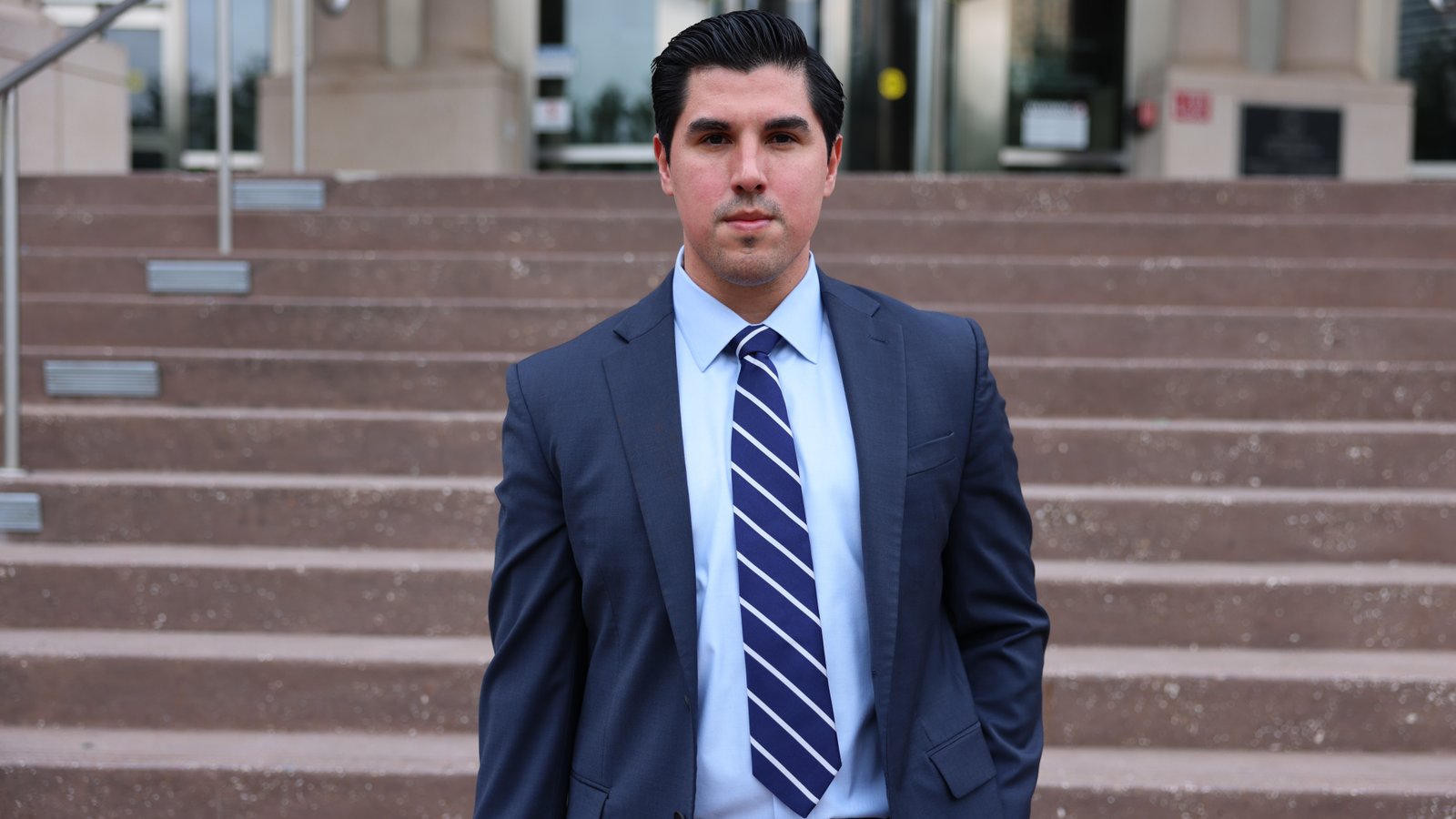
Herrera PLLC represents Cypress homeowners in denied, delayed, and underpaid homeowners insurance claims. Before becoming an attorney, Jonathan Herrera spent more than a decade working in insurance claims as a licensed adjuster. He has also served as claims counsel and practiced insurance defense and coverage law. Today, he uses that experience to represent homeowners in disputes with their insurance companies.
His background provides practical insight into how insurers investigate roof conditions, distinguish new storm damage from older deterioration, and make coverage decisions.
Free consultation: call 832.891.3210.
For more information about how insurers evaluate these disputes, read our guide to roof claims denied for wear and tear or old damage.
Recent Storms in Cypress
On Christmas Eve 2024, storms dropped golf-ball-size hail in the Cypress area, KPRC 2 reported. In November 2025, a tornadic storm hit northwest Harris County, including the Cypress, Klein, and Spring areas, damaging about 100 homes, according to ABC13.
Storms that hit over a holiday or late in the year are easy to put off. A roof that looked fine in December can be leaking by spring, and the longer the wait, the easier it is to argue the damage came from something else.
Age and Storm Damage Aren’t Either/Or
An older roof can still sustain new hail or wind damage. A 15-year-old roof may show general wear while also having fresh hail strikes, fractured shingles, or dents in vents and metal components that were not there before the storm.
The important question is whether the inspection properly distinguished the two.
Evidence that may help includes:
- Older roof photographs, such as those from a home purchase, real estate listing, or prior inspection.
- Records of past repairs or previous insurance claims.
- Dents on vents, gutters, and AC units that are consistent with the reported storm.
- A close inspection of each roof slope rather than a quick look from a ladder.
An insurer should evaluate the available evidence and applicable policy language rather than assuming that every damaged area is old simply because the roof has been in place for years.
A Denial vs. a Roof Age Limit
Read the insurance company’s letter closely. A denial for wear and tear is different from a payment reduced by the policy’s roof coverage terms.
Some policies pay only actual cash value for older roofs or limit roof coverage based on age. A denial may be challenged with evidence about the cause and condition of the damage. A policy limitation is a contract term, and the question becomes whether the insurer applied it correctly.
The declarations page, policy endorsements, and applicable exclusions can all affect the amount payable.
HOA Rules and Partial Roof Repairs
Communities like Bridgeland, Towne Lake, Fairfield, and Cypress Creek Lakes have deed restrictions and architectural review requirements. If the insurer approves repairs to a few shingles but the original shingle line or color is no longer available, the replacement may not match the existing roof.
Whether the policy covers additional replacement work depends on its language, the extent of the damage, and whether a spot repair can adequately restore the affected area.
HOA requirements do not automatically expand insurance coverage, but they can matter when determining how an approved repair can be completed.
For additional information about under-scoping and matching disputes, read our article on Texas hail damage claims and why insurers underpay roofs.
Roofers and Your Insurance Claim
A roofer’s inspection and photographs can help document conditions that an insurer attributed to age. A detailed estimate may also identify repairs or materials missing from the insurance company’s assessment.
In Texas, however, a contractor doing the work cannot also act as your public adjuster or negotiate your insurance claim. Contractors are also prohibited from offering to waive, rebate, or absorb your deductible, according to the Texas Department of Insurance.
A contractor can document physical damage, prepare estimates, and complete repairs. Coverage disputes and policy interpretation involve different responsibilities. Learn more about public adjusters and insurance attorneys.

How a Former Adjuster Reviews Your Claim
When reviewing a denied claim, we examine the insurance company’s coverage decision, available inspection reports, photographs, repair estimates, and policy language.
We look for:
- Missed storm damage that was attributed to normal aging.
- Unsupported wear-and-tear or preexisting-damage findings.
- Roof age limitations or exclusions that may have been misapplied.
- Differences between the inspected areas and the damage reported.
- Estimating discrepancies involving materials, labor, and repair scope.
- Evidence that may help distinguish the reported storm damage from earlier conditions.
We also consider whether an additional inspection or independent expert opinion may help clarify the dispute.
If the available evidence does not support challenging the insurer’s decision, we’ll explain that too. Our goal is to give you a straightforward assessment of the claim and the options worth considering.
What to Do After a Roof Damage Denial
If your insurer attributes the damage to age or wear and tear, preserve the evidence before making major repairs whenever possible.
- Read the denial letter. Identify the exact reason the insurer rejected the claim and the policy provisions it cites.
- Gather older photographs. Look for real estate listing photos, home inspection records, and pictures taken before the storm.
- Collect repair records. Save invoices, previous inspection reports, warranties, and documentation of earlier roof work.
- Document the current condition. Photograph visible roof damage and related conditions involving gutters, vents, siding, screens, and AC equipment.
- Request the complete inspection report. Ask for the insurer’s photographs, estimate, and any engineering report.
- Compare the estimates. Look for differences in roof measurements, damaged slopes, materials, repair methods, and pricing.
- Keep communication records. Save emails, letters, receipts, and notes from conversations with the insurer.
For more guidance, read our article on what happens after filing a homeowners insurance claim.

Texas Insurance Claim Deadlines
Texas law sets deadlines for insurers to acknowledge, investigate, and pay claims. Depending on the circumstances, interest and attorney’s fees may be available when an insurer fails to meet its legal obligations.
Certain weather-related property damage lawsuits are also subject to Chapter 542A of the Texas Insurance Code. It generally requires written notice to the insurer at least 61 days before filing suit, subject to limited exceptions.
Your homeowners policy may also contain its own deadline to file suit, and those deadlines vary. Review your policy early rather than waiting until the dispute becomes more difficult to resolve.
For a broader overview of denied and underpaid claims, coverage disputes, and available legal options, visit our Houston property insurance claims page.
Serving Homeowners Across Cypress
We represent homeowners throughout Cypress and northwest Harris County, including Bridgeland, Towne Lake, Fairfield, Cypress Creek Lakes, Coles Crossing, Blackhorse Ranch, Lakes of Fairhaven, and nearby Jersey Village and Hockley, from our Houston office. Hablamos español.
Learn more about our property insurance claim services throughout Greater Houston.
Related local claim pages: Katy, Spring and The Woodlands.

Talk With Us About Your Cypress Claim
If your insurer has denied your roof claim because of age, wear and tear, or alleged preexisting damage, Herrera PLLC can review the available evidence and explain your options.
Call 832.891.3210 or request a free consultation online.
Prior results do not guarantee a similar outcome. Attorney responsible for this content: Jonathan Herrera, Herrera PLLC, Houston, Texas.
Frequently Asked Questions
Yes. Wear and storm damage can exist on the same roof. Photographs, repair records, weather information, and a detailed inspection may help establish whether new damage occurred during the reported storm. The policy language and available evidence determine whether the insurer's decision can be challenged.
It depends on your policy. Some policies provide replacement-cost coverage, while others pay only actual cash value for older roofs or include roof age-related limitations. Review your declarations page and endorsements to understand how your roof's age affects coverage.
Ask the insurer in writing how it expects the proposed repair to match the existing roof. Document the available shingle options and the differences between the existing and replacement materials. Whether additional replacement work is covered depends on the policy language, the damage, and whether the proposed repair can adequately restore the roof.