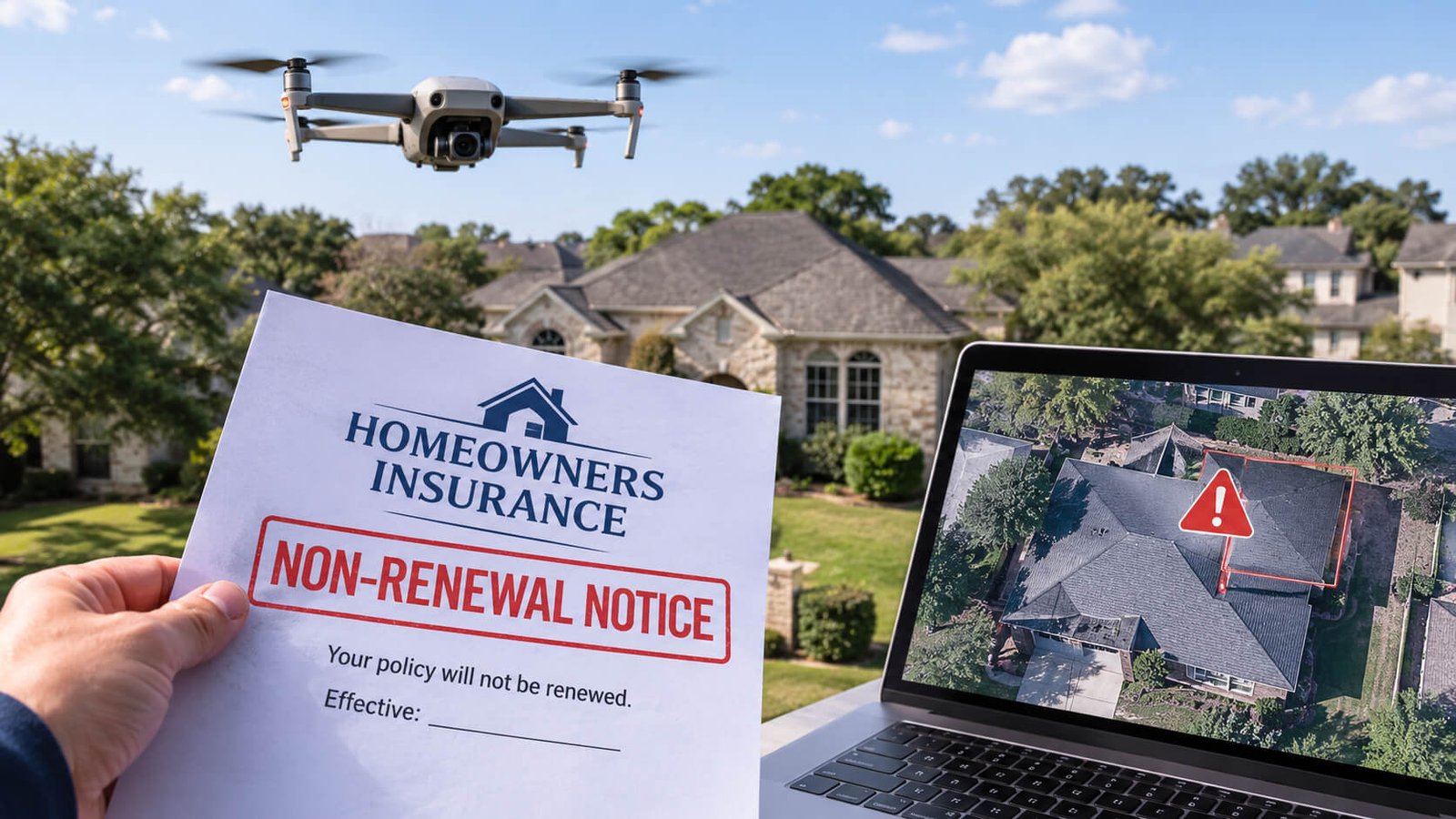

A hailstorm can pass over a Houston neighborhood in minutes. The dispute with the insurance company over what that storm did to a roof can last for months. Hail is a frequent cause of property claims in Texas, and it is also one of the most frequently disputed. Homeowners often receive an estimate that seems far too low, or a letter saying the damage is “cosmetic” and not covered.
In short, hail claims are most often underpaid in three ways: damage is labeled cosmetic, the repair scope in the estimate is too narrow, or policy terms such as deductibles and depreciation reduce the payment more than the homeowner expected.
I spent over a decade as an insurance adjuster, managing high-exposure property and casualty claims for carriers and third-party administrators, before I became an attorney. I also built JH Claims LLC, an independent adjusting firm, and later practiced insurance defense. So I have seen how a hail claim is evaluated from inside the process. This article explains, in general terms, how insurers look at hail damage and where underpayment disputes tend to arise.
This article is general educational information, not legal advice. Every claim depends on its own policy language and facts.
What Insurers Look For After a Hailstorm
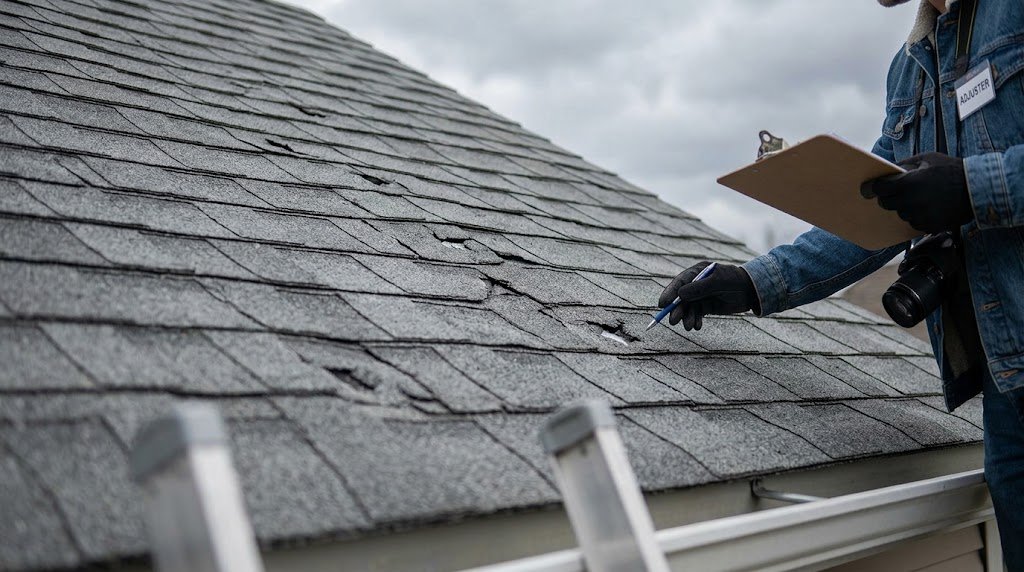
When a homeowner reports hail damage, the insurer typically sends an adjuster, or hires an outside one, to inspect the property. The adjuster is trying to answer a few questions:
- Did a covered event, such as a hailstorm, damage the property during the policy period?
- Which components were affected, such as shingles, vents, flashing, gutters, or siding?
- What does the insurer say it will cost to repair or replace the damage?
- Does any policy exclusion or limitation apply?
Each question is a place where the insurer and the homeowner can reach different conclusions. The inspection is one adjuster’s opinion on one day, and the resulting estimate is the starting point of a negotiation. It is not a final ruling on what the policy owes.
Inspections often follow a similar pattern. Many adjusters examine each roof slope separately, marking a test area and counting hail hits within it. Some carriers and contractors use a threshold number of hits to decide whether a slope is repaired or replaced. Those thresholds are internal practices rather than statutes, and they vary, so a roof with visible hail damage can still end up with a repair estimate instead of a replacement estimate.
In the Houston area, hail often arrives with the same thunderstorms and tropical systems that produce wind damage. A single claim may involve both, and the insurer may dispute which event caused which damage, or whether some of it came from age or earlier storms.
Policy terms also shape what is actually paid. Many Texas homeowner policies apply a separate wind and hail deductible, often calculated as a percentage of the dwelling limit. Some pay roof damage on an actual cash value basis, which subtracts depreciation, and some use a roof payment schedule that reduces the payout as the roof ages. A payment that looks low may reflect these terms rather than the damage itself.
Insurers commonly deny or reduce property claims by attributing damage to pre-existing conditions or normal wear and tear, or by sending an adjuster whose estimate sharply understates repair costs. Hail claims follow the same pattern. If you want more detail on how these denials work, our article on roof claims denied for wear and tear or old damage covers that dispute.
How Adjusters Distinguish “Cosmetic” From “Functional” Hail Damage
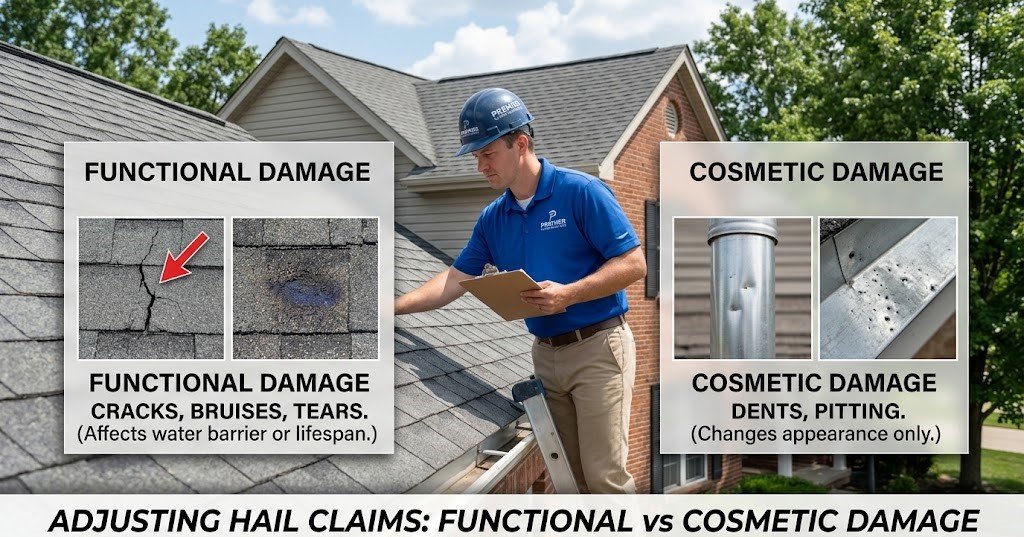
Insurance adjusters often sort hail damage into two categories.
Functional damage generally means damage that affects how the roof performs, such as its ability to keep water out or to last its expected service life. Examples include fractured or bruised shingles, damaged flashing, or compromised roof vents.
Cosmetic damage generally means damage that changes how a surface looks but, in the insurer’s view, does not affect performance. Dents in metal components or pitting on certain surfaces are common examples.
Some policies contain language that limits or excludes coverage for cosmetic damage, and this is more common with metal roofing. Whether such language exists in a particular policy, and how it applies to a particular roof, depends on the wording of the policy and the facts of the loss. Texas courts generally construe ambiguous policy language in favor of the policyholder. Applying that principle to a real claim usually takes a close reading of the entire policy: the declarations page, conditions, exclusions, and any endorsements.
The Texas Department of Insurance publishes consumer information on roof coverage, including a column on what to know about replacing your roof with insurance and a post on metal roofs and home insurance. Roofing material is one factor that can affect how a claim is evaluated.
Why This Distinction Is Often Used to Underpay a Valid Claim
The line between cosmetic and functional damage is often not obvious. It depends on judgment, and judgment can be applied in ways that favor the party paying the claim.
Disputes tend to arise in a few ways:
- The label does the work. Once damage is described as “cosmetic,” the claim may be denied or limited without a detailed explanation of why the damage does not affect the roof’s performance.
- The inspection is brief. A short inspection may not capture damage that a more thorough review would document.
- The explanation is thin. A denial or reduced estimate may say little about what the adjuster actually found or on what basis.
In my experience, insurance companies know that many policyholders will accept a denial or an inadequate payment without pushing back, often because they assume they cannot afford an attorney or do not understand their rights under Texas law. That is a large part of why these disputes persist.
If a claim has been denied on cosmetic-damage grounds, our resource on hail claims denied as cosmetic damage goes further. Our homeowners insurance claim denied page explains how Herrera PLLC approaches denials more broadly.
Common Lowball Tactics: Under-Scoping and Ignoring Matching Requirements
Not every hail dispute is a flat denial. A claim can be approved on paper and still be underpaid. Two issues come up often.
Under-scoping
Under-scoping means the insurer’s estimate covers less work than the damage may actually require. An estimate might include repairs to only some slopes, omit certain components, or understate labor and material costs. Because the estimate is the document that drives payment, gaps in it translate directly into gaps in what the homeowner receives.
Matching
Matching is a dispute that can arise when part of a roof is repaired or replaced and the new materials may not visually or functionally align with the undamaged remainder. A homeowner may believe more of the roof should be addressed. The insurer may disagree. Whether a matching argument is supported in a specific situation depends on the policy wording and the circumstances, and it is a point on which carriers and policyholders frequently disagree.
In my own work with homeowners and businesses facing underpaid property claims, I work with independent adjusters and contractors to document actual damage and to evaluate whether the carrier’s estimate reflects the real cost of repair. Our page on underpaid wind, hail, and roof damage claims describes how we approach these disputes, and our homeowners insurance claim underpaid page covers underpayment more generally.
Getting a Second, Independent Roof Inspection
Because the insurer’s inspection is one opinion, many homeowners in a dispute look at what a second, independent inspection might show. A qualified independent adjuster or roofing contractor can document the roof’s condition, the nature and extent of the hail damage, and the likely scope of repair.
An independent inspection can matter because:
- It can create a separate written record of the damage.
- It can be compared line by line against the insurer’s estimate.
- It can identify components or areas the first estimate did not address.
Photographs, earlier inspection reports, and repair invoices often become part of the evidence as well, particularly when the insurer questions whether the damage came from this storm.
An independent report does not guarantee a different outcome, and the insurer is not obligated to accept it. Still, it can give the homeowner something concrete to put alongside the insurer’s position. This is the kind of documentation we use in the property claims we handle.
Requesting the Insurer’s Own Adjuster Report
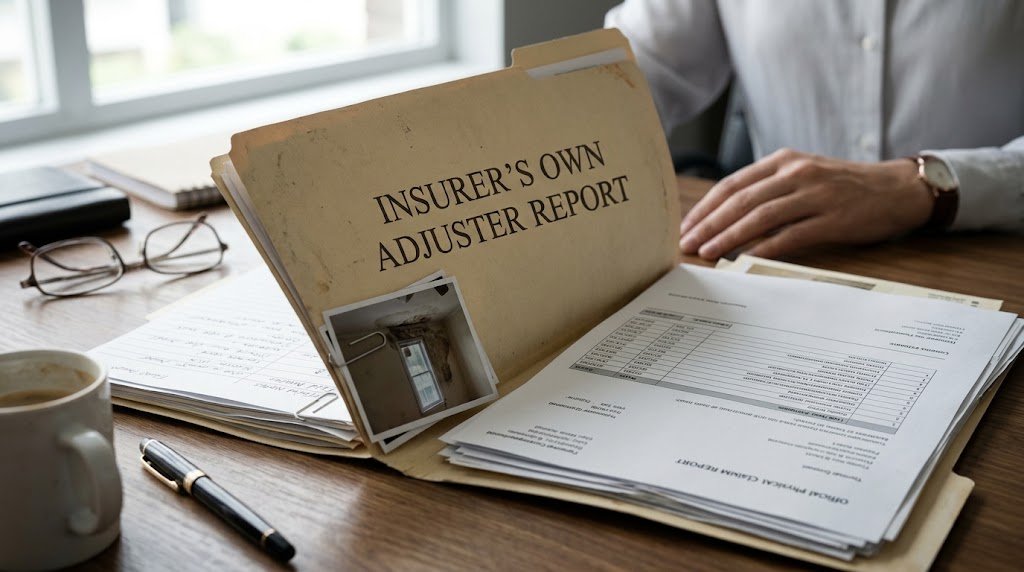
Just as important is understanding what the insurer actually documented. An insurer’s claim file typically contains the adjuster’s inspection notes, photographs, estimate, and the reasoning behind any decision to deny or reduce payment.
In Herrera PLLC’s property claim work, obtaining the insurance company’s complete claim file is part of the process, because it shows what the adjusters documented and what they are basing a denial or reduced payment on. Having been an adjuster, I know how claim files are assembled and what they should contain. Gaps, inconsistencies, or missing documentation can be telling when compared with what a homeowner experienced.
Timing matters too. Chapter 542 of the Texas Insurance Code, the Prompt Payment of Claims statute, sets deadlines for how carriers handle claims. In general, an insurer must acknowledge a claim, begin its investigation, and request the information it needs within 15 days after receiving notice of the claim. It must then accept or reject the claim within 15 business days after receiving all the items it requested, and if it accepts, it must pay within five business days after notifying the policyholder. These deadlines can be extended in certain circumstances, including after a weather-related catastrophe.
When an insurer violates the statute, the policyholder may recover interest and attorney’s fees, but the rate depends on the type of claim. For many property claims, the interest rate is 18% per year. Hail is a “forces of nature” claim governed by Chapter 542A, and for those claims the interest rate is instead the judgment rate under Texas Finance Code Section 304.003 plus five percent. Chapter 542A also requires written pre-suit notice at least 61 days before a lawsuit is filed, and it ties the recovery of attorney’s fees to that notice. Policies issued through the Texas Windstorm Insurance Association follow a separate statutory framework. Separately, policies commonly contain their own deadlines for reporting a claim and for filing suit, so timing can affect a claim in more than one way.
When an insurer unreasonably denies a valid claim, fails to investigate properly, misrepresents policy provisions, or uses delay tactics, that conduct may constitute bad faith under Texas law, and additional damages and statutory penalties may be available.
Texas law also contains other provisions that can affect weather-related property disputes, including Insurance Code Chapter 542A and Chapter 1813. Readers can review those chapters directly, and the Texas Department of Insurance also provides consumer guidance. Their application to any specific claim is a question an attorney can evaluate.
When to Push for Appraisal on a Hail Claim
Most property insurance policies include an appraisal provision, a process for resolving disagreements about the amount of a covered loss. Typically, each side selects an appraiser, and the two appraisers select an umpire.
Appraisal tends to come up when the insurer and the homeowner largely agree that a covered hail event occurred but disagree about how much repair should cost. It is not the same as litigation, and it is not appropriate for every dispute, particularly disputes about whether the policy covers the loss at all. Whether and when to invoke appraisal depends on policy language and on the specific disagreement.
I have worked on appraisal from more than one side. I represent policyholders through the appraisal process, and I also serve as an umpire when selected by the appraisers. That experience gives me a practical understanding of how appraisals are presented and decided.
Frequently Asked Questions
What is the difference between cosmetic and functional hail damage?
Functional damage generally affects how a roof performs, such as its ability to shed water or its expected lifespan. Cosmetic damage generally affects appearance only. Insurers sometimes use the distinction to limit coverage, and some policies contain language addressing cosmetic damage. Where the line falls in a particular claim depends on the policy and the facts.
Can an insurer deny a claim by calling damage cosmetic?
An insurer can issue a denial on that basis, but a denial is not necessarily the final word. Whether it is supported depends on the policy’s wording, the nature of the damage, and the evidence in the claim file. Texas courts generally construe ambiguous policy language in favor of the policyholder. An attorney can review the policy and the denial to evaluate the options.
What is roof matching and why does it matter?
Matching refers to whether repaired or replaced roofing materials align with the existing roof. It matters because it can affect how much of the roof an estimate covers and, in turn, the payment. Whether a matching argument is available depends on the policy language and the circumstances.
Should I get my own roof inspection?
Many homeowners in a dispute consider an independent inspection because the insurer’s inspection reflects only one adjuster’s opinion. An independent inspection can document the roof’s condition and be compared with the insurer’s estimate. It does not guarantee a particular outcome. A free, confidential consultation with an attorney can help you understand what documentation might be useful in your situation.
When should I request appraisal on a hail claim?
Appraisal is a process most property policies include for resolving disagreements about the amount of a covered loss. Whether and when it makes sense depends on your policy language and the specific dispute. An attorney can review the policy and the claim to discuss whether appraisal is an option.
This article is for general educational purposes and is not legal advice or a substitute for advice about a specific situation. Hail damage insurance claims depend on the extent of the property damage, the applicable policy language, the available documentation, and the insurer’s evaluation of the loss. Policyholders whose hail damage claims have been denied or underpaid are welcome to call Herrera PLLC at 832-891-3210, email jherrera@jh-lawpllc.com, or reach out through the contact page to schedule a free, confidential consultation.
Jonathan Herrera, J.D.
Jonathan Herrera is the founder of Herrera PLLC in Houston, Texas. He spent more than a decade working as an insurance adjuster, founded JH Claims LLC, and practiced insurance defense at Rymer, Echols, and Nelson-Archer before opening his own firm representing injury victims, policyholders, and businesses.