

The Other Driver’s Insurance Wants a Recorded Statement. Here’s What You Should Know Before You Agree.
A day or two after your accident, the other driver’s insurance adjuster calls.
They are polite. They say they just need to get your side of the story, and they ask whether it is okay to record the call.
It sounds routine.
But a recorded statement is still a statement about an accident that may later become the subject of a disputed insurance claim or lawsuit. What you say matters.
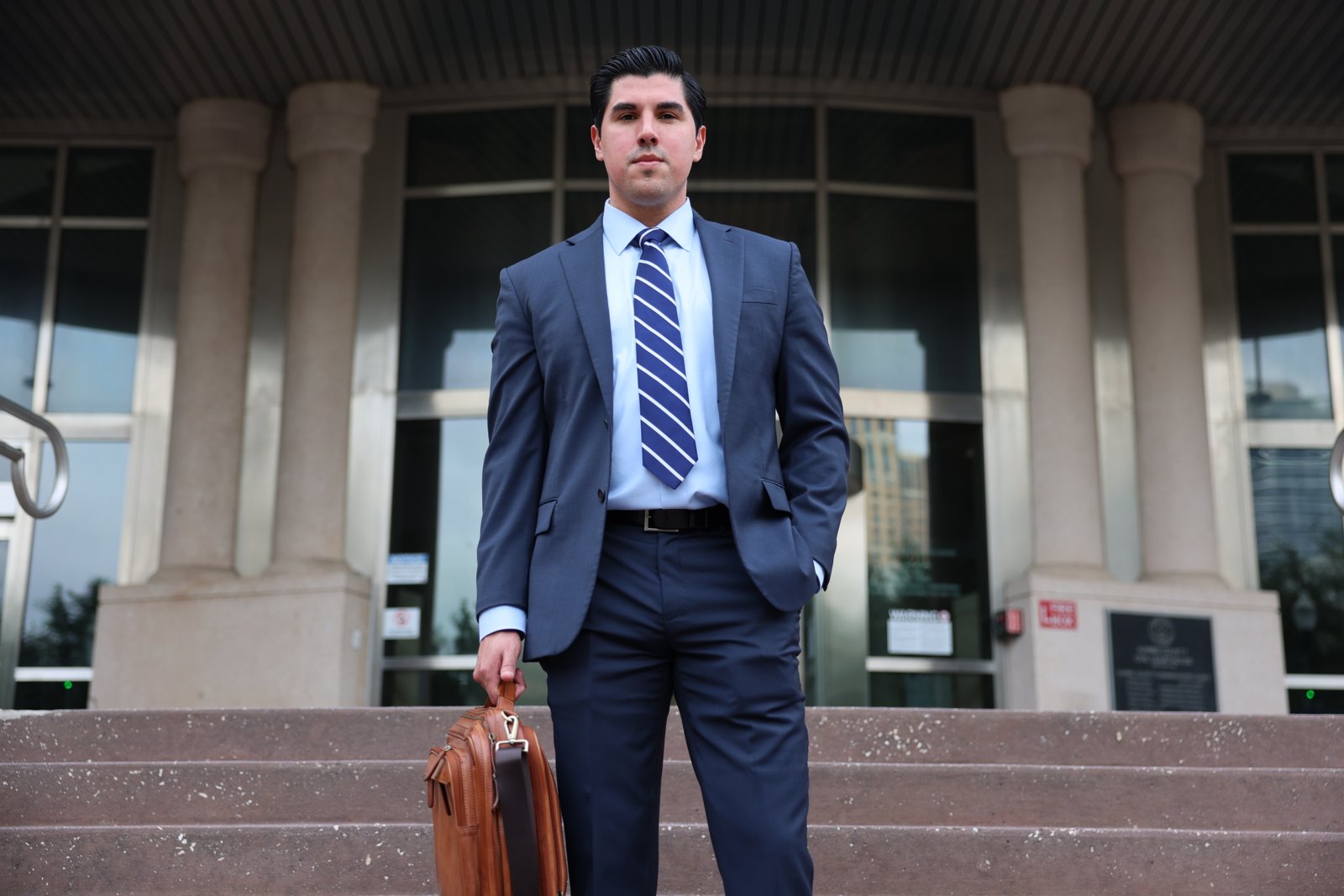
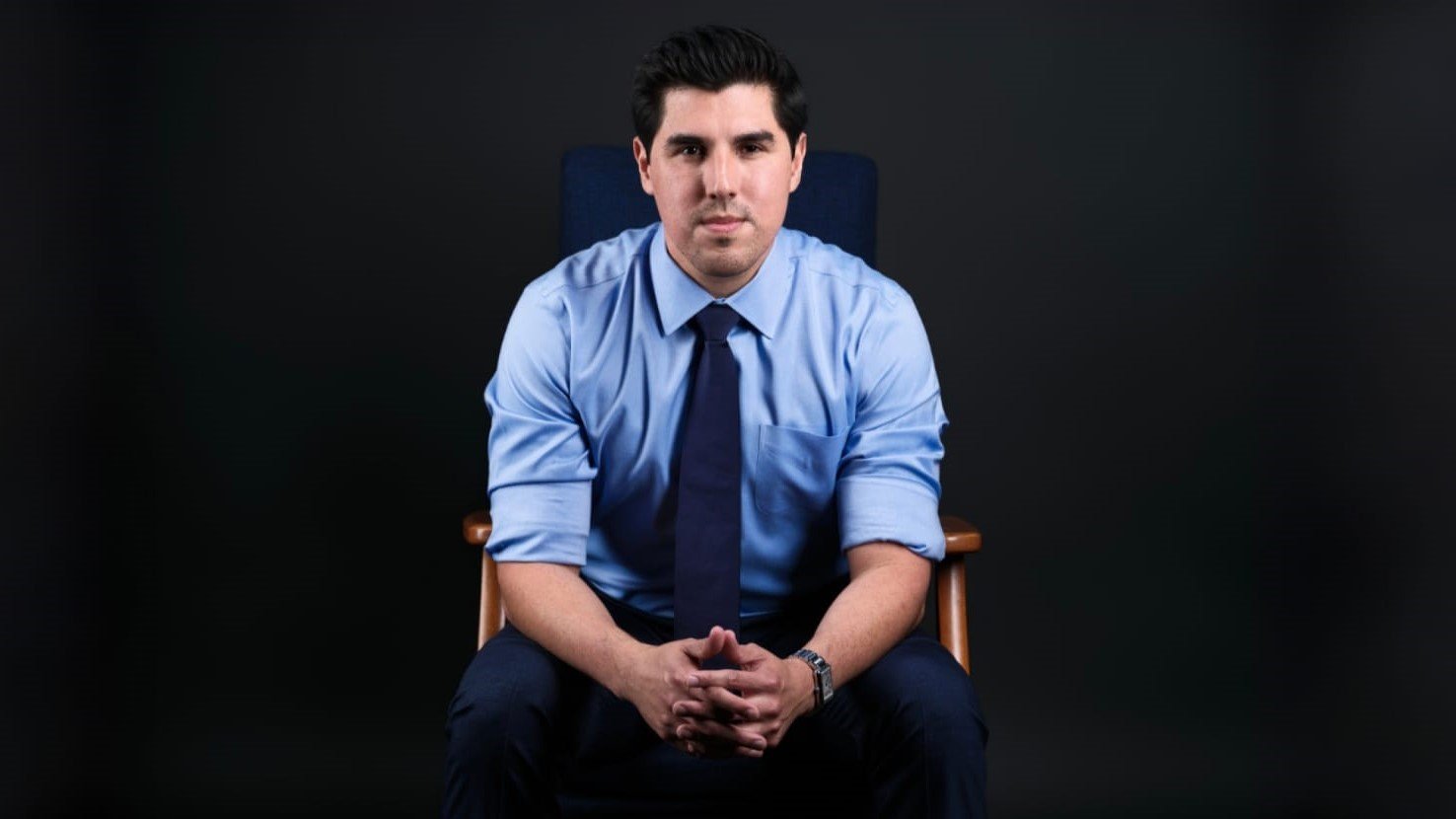
Today, I am a Texas personal injury lawyer representing people injured in car and truck accidents. Before becoming an attorney, I spent more than a decade handling and managing insurance claims, including as a licensed Executive General Adjuster.
I have taken and reviewed recorded statements during insurance investigations. I know the types of questions adjusters ask, why they ask them, and how the answers can affect the evaluation of a claim.
Before you read: The information below is general. Every accident, injury, insurance policy, and claim is different. Your obligations can depend on whose insurer is requesting the statement and the applicable policy and circumstances. Nothing below is a substitute for legal advice about your particular case.

Why Does the Insurance Adjuster Want a Recorded Statement?
The simple answer is that the carrier is investigating the claim.
The adjuster may want information about:
- How the accident happened;
- Who was involved;
- Where everyone was positioned;
- What each driver was doing;
- Whether there were witnesses;
- Whether you were working;
- Whether a vehicle was being used for business, delivery, or rideshare activity;
- What injuries you are claiming;
- When symptoms began;
- What medical treatment you have received;
- Whether you had prior injuries; and
- Other facts potentially relevant to liability, coverage, or damages.
Not every question is a trick.
Insurance companies have legitimate reasons to investigate claims.
But you should understand that the recorded statement is being taken as part of the insurance company’s investigation, not as a private conversation for your benefit.
The Texas Department of Insurance explains how to deal with the other driver’s insurance company, including what to do when the other carrier investigates or disputes your claim.
Can the Recorded Statement Be Used Later?
Potentially, yes.
A recorded statement creates a preserved account of what you said about the accident at a particular point in time.
Later, that account may be compared with:
- The police report;
- Witness statements;
- Photographs;
- Video;
- Medical records;
- Deposition testimony;
- Your later description of the accident; and
- Other evidence.
If the descriptions are materially inconsistent, the carrier or defense may raise those differences.
That does not mean you should be afraid to tell the truth.
It means you should take a recorded statement seriously.
Do You Have to Give the Other Driver’s Insurance Company a Recorded Statement?
Generally, you do not have the same contractual obligation to cooperate with the other driver’s liability insurer that you may have with your own insurance company.
That distinction matters.
Your own policy may contain cooperation provisions requiring you to provide information or otherwise assist with the investigation of a first-party claim.
The other driver’s insurance company has a different relationship with you.
Whether you should give a statement and under what circumstances depends on the facts.
If the other carrier is requesting a recorded statement and you are seriously injured, liability is disputed, or you are uncomfortable with the process, consider speaking with a personal injury lawyer first.

Questions About How the Accident Happened
Expect the adjuster to ask detailed questions about the collision.
Those may include:
- Where were you going?
- What road were you on?
- What lane were you in?
- How fast were you traveling?
- What was the traffic signal?
- When did you first see the other vehicle?
- Did you brake?
- Did you swerve?
- Were you using your phone?
- Were you wearing a seat belt?
- Was anything obstructing your view?
- What did the other driver do?
- Where did the vehicles make contact?
The adjuster may be evaluating whether its insured was responsible, whether you contributed to the accident, or whether additional investigation is necessary.
Texas Proportionate Responsibility Can Make Liability Questions Important
Texas uses a proportionate-responsibility system in many negligence cases.
That means the percentage of responsibility assigned to each party can affect the recovery.
Generally, if a claimant is found more than 50% responsible, the claimant may be barred from recovering damages under the proportionate-responsibility framework.
If the claimant is 50% or less responsible, recoverable damages may be reduced by the claimant’s percentage of responsibility.
That is one reason questions about speed, lookout, lane position, braking, distraction, and other driving behavior can matter.
Again:
Tell the truth.
But if you do not know the answer, do not guess.
“I Don’t Know” Can Be an Accurate Answer
People sometimes feel pressure to answer every question.
You do not have to invent a number because an adjuster asks for one.
If you do not know your exact speed, do not guess.
If you do not know how many feet away the other vehicle was when you first saw it, do not create a distance.
If you do not remember the precise number of seconds between two events, say so.
There is a difference between being uncooperative and refusing to speculate.
An accurate “I don’t know” is better than an inaccurate guess.
Coverage Questions May Come Up Too
Some questions may initially seem unrelated to the collision.
The adjuster may ask:
- Who owns the vehicle?
- Where is it normally kept?
- Who was driving?
- Did you have permission to drive it?
- Were you working?
- Were you making a delivery?
- Were you transporting passengers for compensation?
- Were you using a rideshare or delivery application?
- What were you using the vehicle for?
Those questions may be relevant to determining what insurance policies or coverage provisions apply.
For example, accidents involving delivery work, rideshare activity, commercial use, employer-owned vehicles, or other business activity can create additional coverage questions.
The answers do not automatically determine whether coverage exists.
The applicable policies and facts still need to be reviewed.
Injury Questions Can Be Especially Important Early On
The adjuster may ask:
- Are you injured?
- Where do you hurt?
- Did you go to the emergency room?
- Have you seen a doctor?
- What did the doctor diagnose?
- Are you feeling better?
- Have you missed work?
- Do you expect additional treatment?
The problem is timing.
If the accident occurred yesterday, you may not yet know the answers to many of those questions.
You may know that your neck hurts.
You may know that your back is stiff.
You may know that you have headaches.
But you may not know the diagnosis, prognosis, or treatment plan.
Do not adopt a medical diagnosis simply because someone else suggests one.
Describe what you actually know and what you are experiencing.
Let qualified medical providers determine the diagnosis and appropriate treatment.
Be Careful About Saying You Are “Fine”
This is ordinary human behavior.
Someone asks:
“How are you doing?”
You say:
“I’m fine.”
But in the context of an insurance claim, casual language can take on more significance.
Do not exaggerate your symptoms.
But do not minimize them either.
If you are still hurting, say that.
If you do not know the full extent of your injuries, say that.
If you have not been medically evaluated, do not guess about what the diagnosis will be.
Accuracy is the goal.
Questions About Prior Injuries and Medical Treatment
The adjuster may ask whether you have previously experienced:
- Neck pain;
- Back pain;
- Headaches;
- Shoulder problems;
- Knee problems;
- Prior accidents;
- Prior surgeries;
- Prior chiropractic treatment; or
- Other medical conditions.
Be truthful.
A prior injury does not automatically mean the new accident caused no harm.
Someone with a preexisting condition can still suffer a new injury or an aggravation of an existing condition.
But trying to hide prior treatment can create a credibility problem if the records later show otherwise. Herrera PLLC discusses this issue in its guide to what to tell your personal injury attorney.
The better approach is accuracy.
What If You Do Not Remember Your Medical History?
Do not guess.
Most people cannot remember every doctor visit or every date of treatment they have received over many years.
If you know the answer, answer accurately.
If you do not remember, say that you do not remember.
There is nothing inherently suspicious about not recalling the exact date of medical treatment from years earlier.
What About an Early Settlement Offer?
Sometimes the recorded-statement process occurs at the same time the carrier is beginning to evaluate whether the claim can be resolved.
An early settlement offer is not automatically improper.
For relatively minor injuries, early resolution may sometimes make sense.
The concern is whether you have enough information to make an informed decision.
If the accident just happened, you may not yet know:
- The full extent of your injuries;
- What medical treatment you will need;
- Whether symptoms will resolve;
- Whether you will miss additional work;
- What medical bills will ultimately total;
- Whether another insurance policy applies; or
- What the claim is reasonably worth.
That is why timing matters. Understanding how insurers evaluate pain and suffering in Texas may help explain why the full medical and factual picture matters before settling.
What If the Adjuster Makes an Offer During the Recorded Call?
Do not feel pressured to decide immediately.
Ask:
- What exactly is the offer for?
- Does it resolve the entire bodily injury claim?
- Is a release required?
- Does it affect property damage?
- Are there separate payments for medical expenses?
- What rights am I giving up?
- Can you send the offer and release in writing?
You can listen to an offer without accepting it.
Understanding the offer is not the same thing as agreeing to it.
What Should You Do If the Other Driver’s Insurance Wants a Recorded Statement?
Consider these steps:
- Identify who is calling. Get the adjuster’s name, company, carrier, telephone number, email, and claim number.
- Ask whether the statement is being recorded. You should know when a conversation is being preserved as a recorded statement.
- Ask what subjects the adjuster wants to discuss.
- Do not guess. If you do not know or remember something, say so.
- Do not exaggerate or minimize your injuries.
- Do not adopt a medical diagnosis you have not received.
- Be truthful about prior injuries and treatment.
- Do not feel obligated to accept a settlement offer during the call.
- Ask for settlement terms and releases in writing.
- Consider speaking with a personal injury lawyer before giving a recorded statement to the other driver’s insurer, particularly when the injuries are serious or liability is disputed.
For more information about preparing to speak with an attorney, see what to bring to a personal injury consultation.
What If You Already Gave a Recorded Statement?
Do not assume you ruined your case.
Most people speak with an insurance adjuster before they ever consider contacting a lawyer.
If you already gave a recorded statement:
- Write down what you remember being asked;
- Preserve emails and correspondence;
- Keep the adjuster’s information;
- Do not attempt to “correct” the statement by making additional speculative statements;
- Continue being truthful about your symptoms and medical history; and
- Tell your lawyer that a recorded statement was given.
If there is an important factual error, your attorney can evaluate the appropriate way to address it.
The existence of a recorded statement does not automatically determine the outcome of the claim.
What If the Insurance Company Says It Needs the Statement Before It Can Accept Liability?
The carrier may request additional information before making a liability decision.
Whether providing a recorded statement is appropriate depends on the circumstances.
There may be other evidence available, such as:
- The police report;
- Photographs;
- Video;
- Witness statements;
- Vehicle damage;
- Electronic data; or
- Statements from the insured driver.
If you are seriously injured or liability is disputed, this is a good point to consider obtaining legal advice rather than assuming you must immediately provide whatever the other carrier requests.
The Texas Department of Insurance explains options for dealing with another driver’s insurer, including when a third-party claim is disputed.

Talk to a Personal Injury Lawyer and Former Insurance Adjuster
My perspective on recorded statements comes from both sides of the insurance process.
Today, I am a Texas personal injury lawyer representing people injured in car and truck accidents.
Before becoming an attorney, I spent more than a decade handling and managing insurance claims, including as a licensed Executive General Adjuster.
I have taken and reviewed recorded statements. I understand why adjusters ask particular questions, what information the carrier may be trying to develop, and how those answers can become part of the claim evaluation.
Now I use that experience on behalf of injured people.
If the other driver’s insurance company is asking for a recorded statement or you already gave one and are concerned about what you said let’s talk.
Herrera PLLC represents injured people in Houston and throughout Texas, in English and Spanish.
Call (832) 891-3210 for a free consultation with a personal injury lawyer and former insurance adjuster.
You owe no attorney’s fees unless we recover for you.
Hablamos español.
Herrera PLLC
2339 Commerce Street, #172
Houston, Texas 77002
Phone: 832-891-3210
Email: jherrera@jh-lawpllc.com
Related Reading
- An Insurance Adjuster Is at Your Door With a Check. Read This Before You Sign.
- “It’s Just a Soft Tissue Injury”: What That Means for Your Claim, From a Personal Injury Lawyer and Former Insurance Adjuster
Frequently Asked Questions
Generally, you do not have the same contractual obligation to cooperate with the other driver’s liability insurer that you may have with your own insurer. Whether giving a statement is appropriate depends on the circumstances.
A recorded statement may become part of the claim file and can potentially be compared with later statements, medical records, deposition testimony, and other evidence. That is why accuracy matters.
Recording laws can depend on the circumstances. In the typical recorded-statement process, the adjuster expressly tells you the call is being recorded and asks for your agreement before proceeding. If you are unsure whether a conversation is being recorded, ask.
Symptoms can change after an accident. If new symptoms develop, obtain appropriate medical evaluation and accurately report when you first noticed them. The fact that a symptom was not reported immediately after the collision does not mean you should later pretend it does not exist.
Questions about business, delivery, or rideshare activity may relate to what insurance policies or coverage provisions potentially apply to the accident. The answer does not necessarily determine coverage by itself.
Yes, when that is the truthful answer. You should not guess about speed, distance, timing, medical diagnoses, or other facts you do not actually know.
Do not assume your claim is ruined. Preserve your communications, write down what you remember about the statement, continue being truthful, and tell your attorney that a statement was given so it can be considered as part of the claim.
Attorney advertising. Prior results do not guarantee a similar outcome.